What We Do
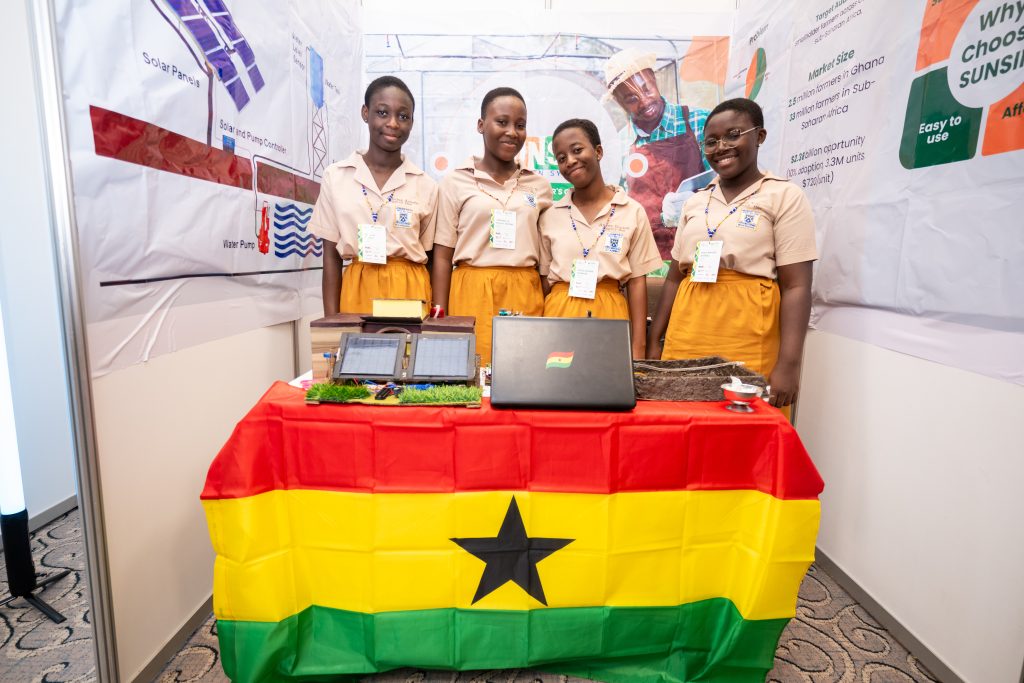
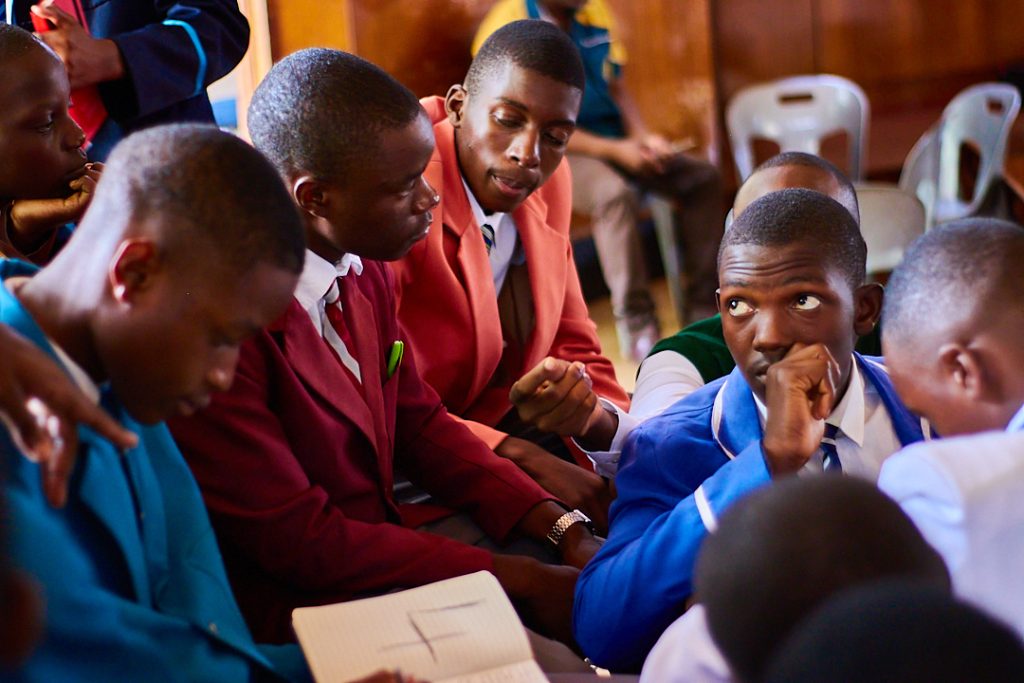
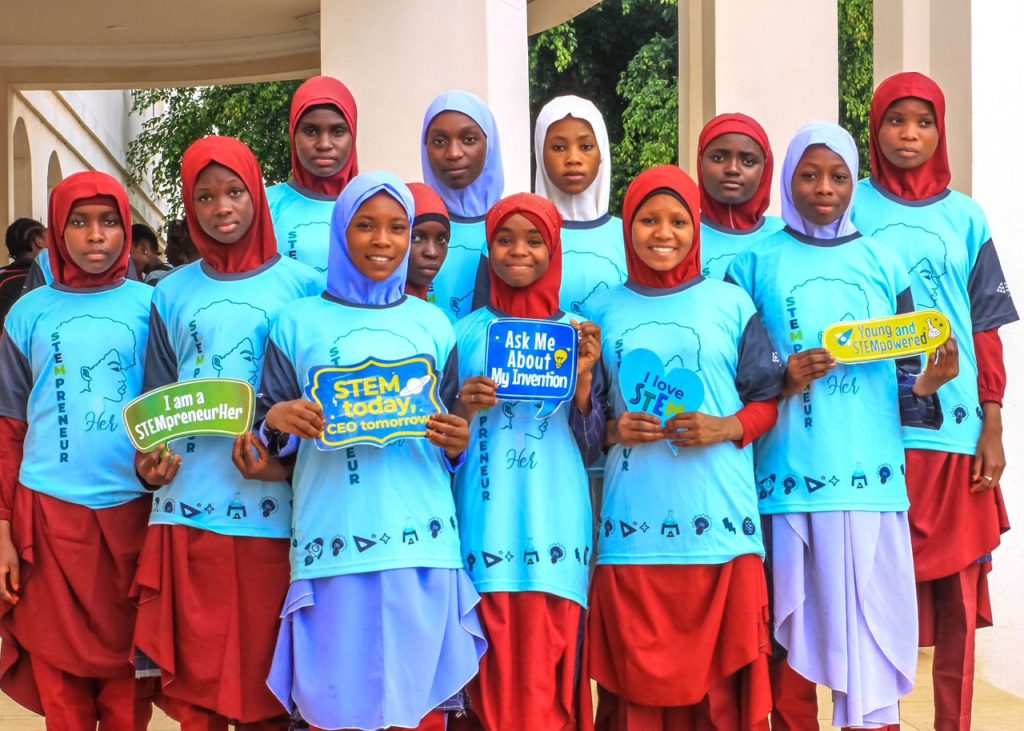
JA Africa provides young people with the tools and skills they need to be prepared for their professional futures either as entrepreneurs who create jobs for themselves and others or as employees who add value to their employers. JA’s primary strengths are in curriculum development and delivery. We work in over 3,000 schools across Africa, with the endorsement of the Ministries of Education. We raise funding for our programs through private and corporate donations, then train volunteers in our curricula and work with them to deliver this content to students in schools, working closely with classroom teachers.
Our programs bridge the gap between what children are learning in schools and what they need to know to be successful adults in the workplace. These programs prioritize entrepreneurship education, workforce readiness and financial literacy.

The Need
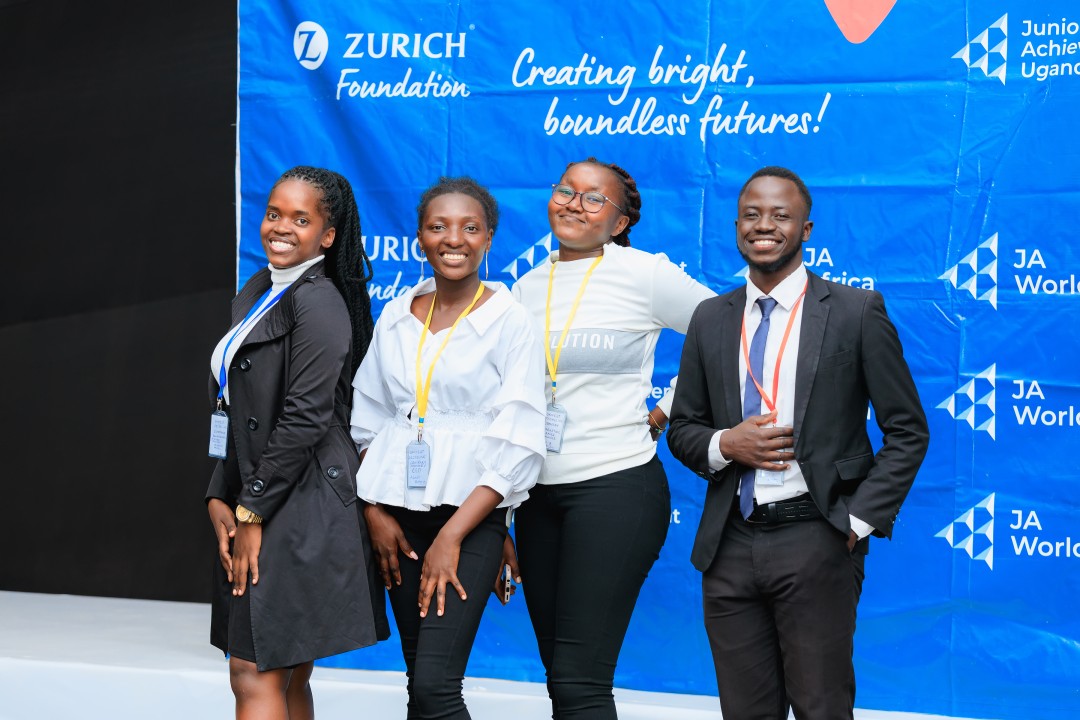
Sixty percent of the population of sub-Saharan Africa and about 37% of its workforce are youth under age 25. By 2025, two-thirds of Africa’s population will be under 25 years of age and Africa will be home to 25% of the world’s youth population.
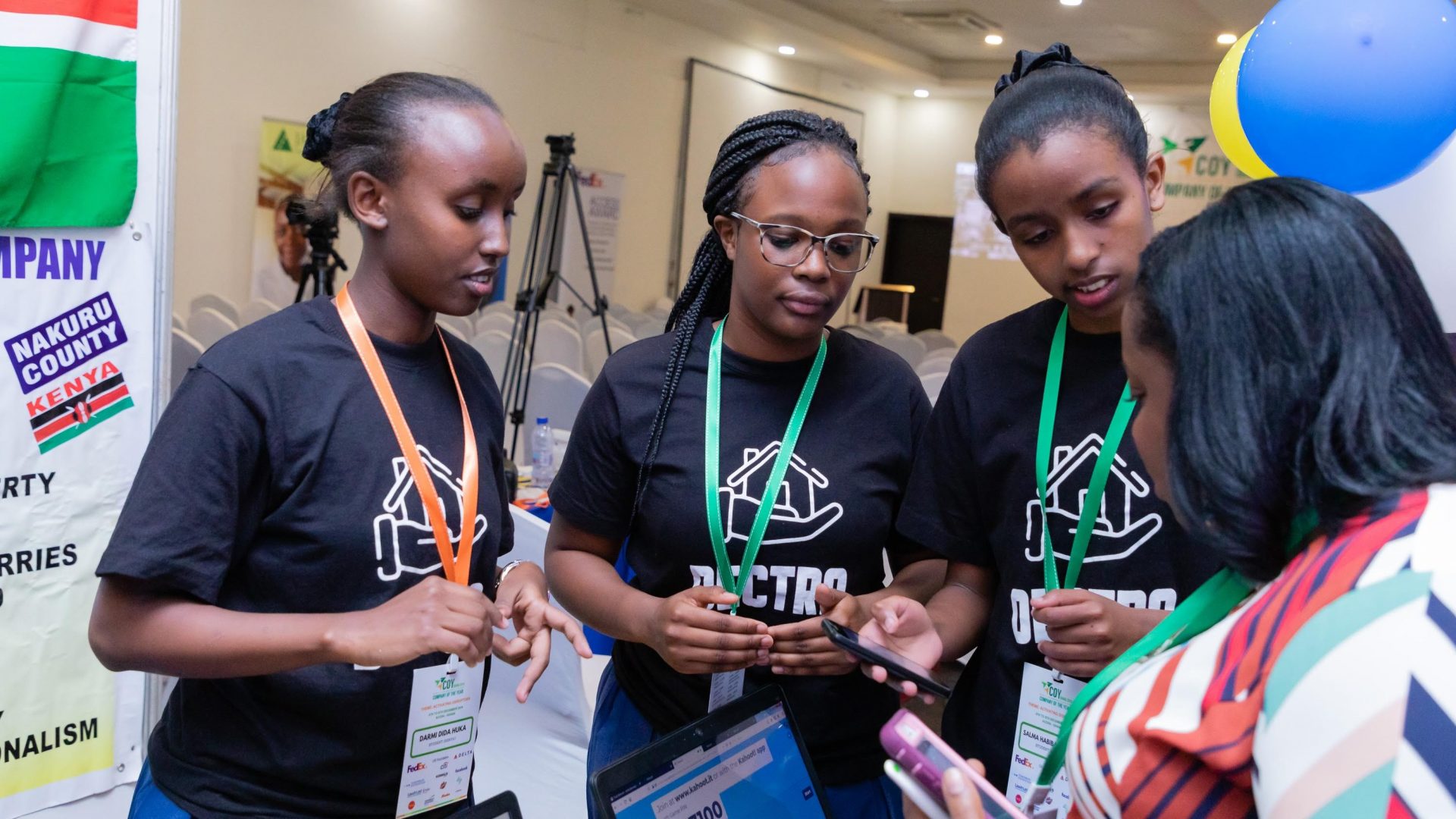
Every year approximately 7 to 10 million young people in the region enter into a weak labor market, where high unemployment, low productivity, and poverty-level income are commonplace. Across Africa, as the economies fail to create enough jobs for the over 10 million young people entering the workforce each year, enterprise development remains the best pathway to creating employment and ensuring sustainable livelihoods, yet few governments have mainstreamed entrepreneurship education into the curriculum.
JA Africa believes that mainstreaming entrepreneurship education holds a key to job creation not just through self-employment, but as small enterprise employs others. JA Africa has a goal to educate one million people in entrepreneurship education over five years. Our theory of change is that if each of these young people establishes an enterprise that creates at least five new jobs, we can move the needle on youth unemployment across the continent. Beyond the unemployment gap, there persists a skills gap. For the jobs that do exist in the economy, employers are unable to find skilled workers. Preparing young people for the world of work means skills-focused and market-relevant education.
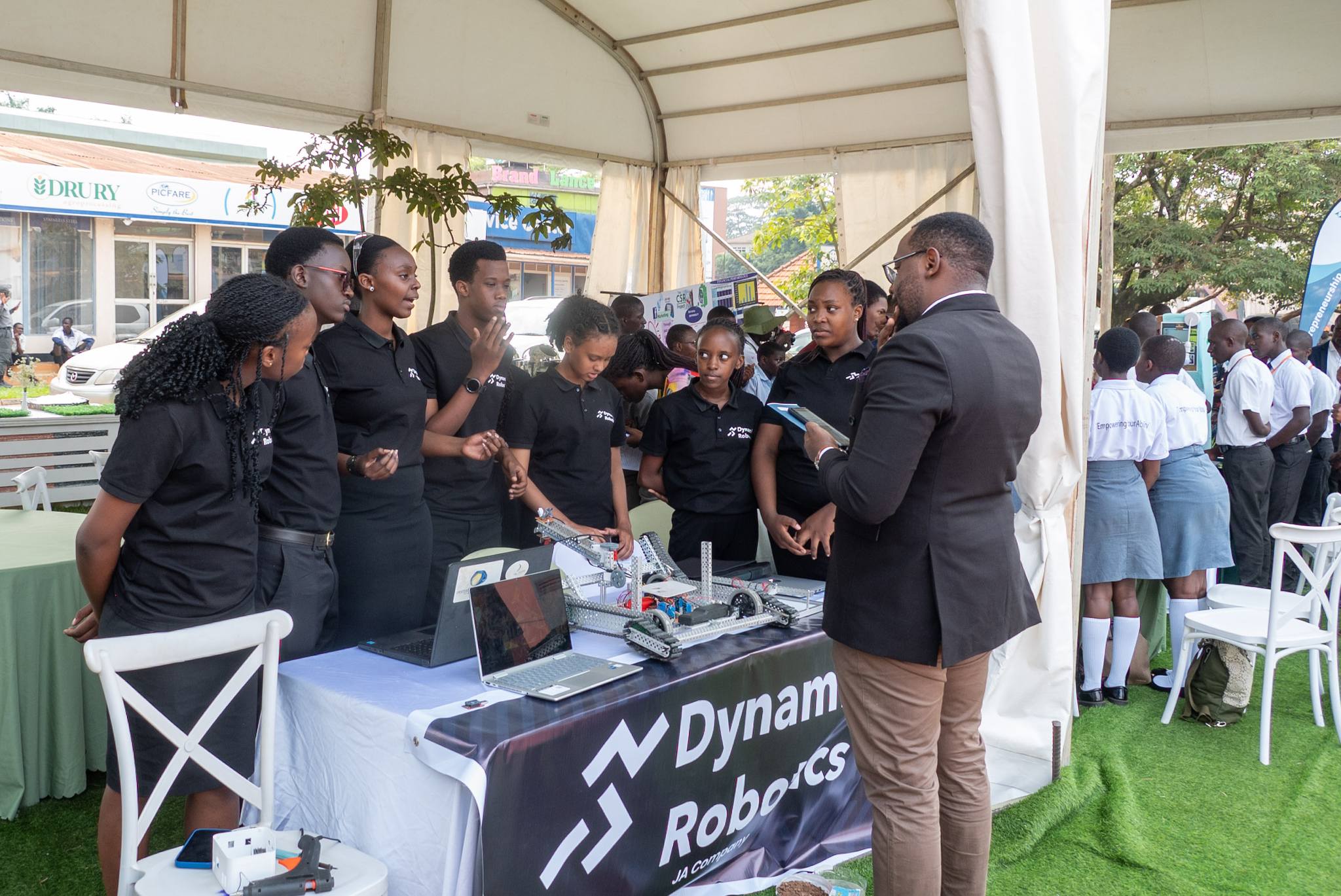
This is why JA believes in experiential education. We know that young people learn better by doing than by hearing. Finally, we believe that financial literacy ties together these two priorities. We need our young people to understand money; both personal finance and business finance in order to thrive in the 21st century. That why JA focuses on these three areas: entrepreneurship education, financial literacy and workforce readiness.
In less than 20 years, Africa will have the world’s largest workforce. Young children in school today will constitute the majority of the labor and still that power businesses at local and global levels. How we prepare them for that future will determine the productivity and growth of entire industries and economies. That’s why JA Africa’s work is important.
The impact of JA’s learning experiences goes beyond the lives of individual students. For over 100 years, JA has operated all over the world, even in areas of political instability, violence, and war, ready to help students through the unemployment, poverty, and hopelessness that stem from such conditions.
By helping youth develop the employment and entrepreneurial tools to find meaningful work and start sustainable companies, JA serves as conduit for peace and prosperity. Through JA, young people are equipped with the skillset and mindset to build thriving communities.