Being at the 80th United Nations General Assembly was truly inspiring. It was a week of both learning and imparting knowledge, as I moved from one conference to another, meeting old acquaintances, making new friends, and connecting with potential partners. Every gathering offered a chance to exchange ideas and to shine a light on the work we are doing at JA Africa: advancing inclusivity, innovation, and opportunity for Africa’s youth.
It was a reminder that Africa’s story must be told not only in statistics but in voices, faces, and lived experiences. I was grateful for the opportunity to add our perspective to conversations that will help shape the future.
Day 1 at UNGA80- 20th September, 2025
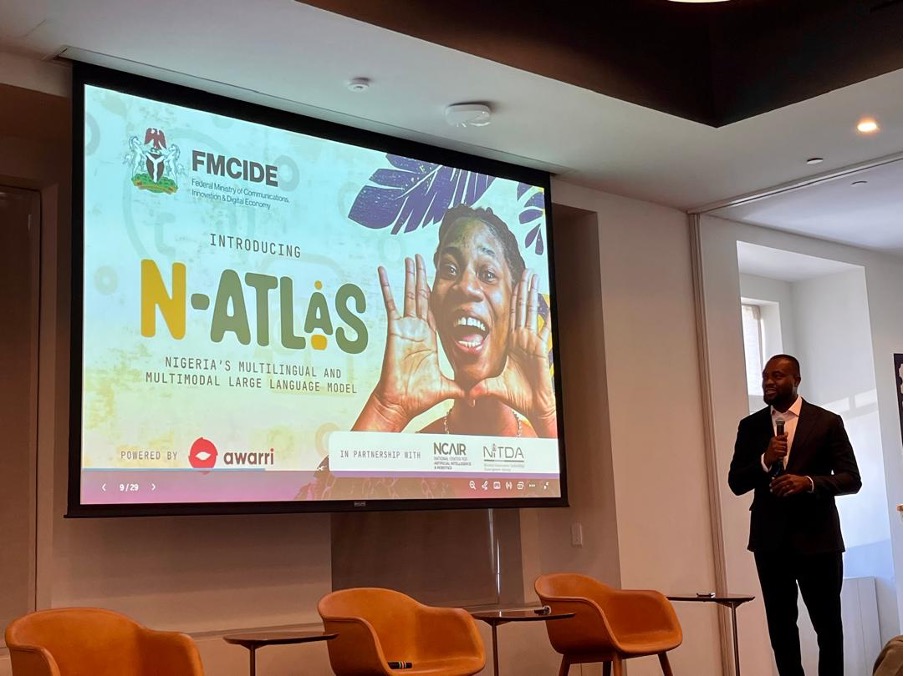
The week began with a powerful session hosted by Nigeria’s Federal Ministry of Communications, Innovation & Digital Economy at the Inclusive AI Dialogue, led by Hon. Dr. Bosun Tijani, Minister of Communications, Innovation and Digital Economy. The session focused on what it truly means to build inclusive artificial intelligence for Africa, technologies that are not only used on the continent but are designed with African contexts, languages, and challenges in mind.
The highlight of the event was the unveiling of N-ATLAS V1, Nigeria’s open-source, multilingual, and multimodal large language model. Starting with Yoruba, Hausa, Igbo, and Nigerian-accented English, it places Africa’s voices and diversity at the foundation of AI. For me, this was more than a technical milestone; it was a bold statement that Africa is not only a consumer of technology but also a contributor and leader in shaping its future.
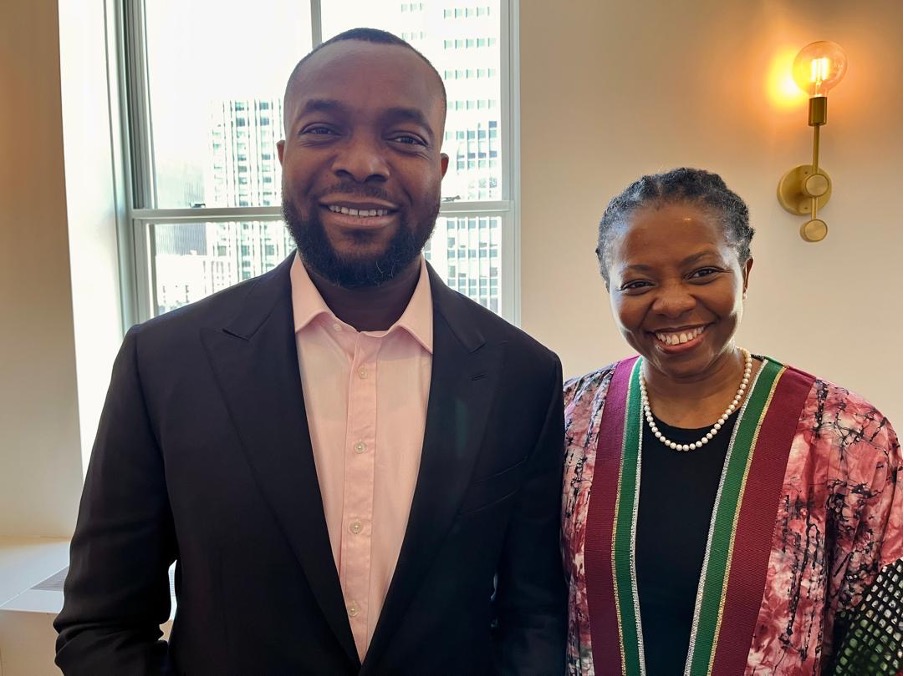
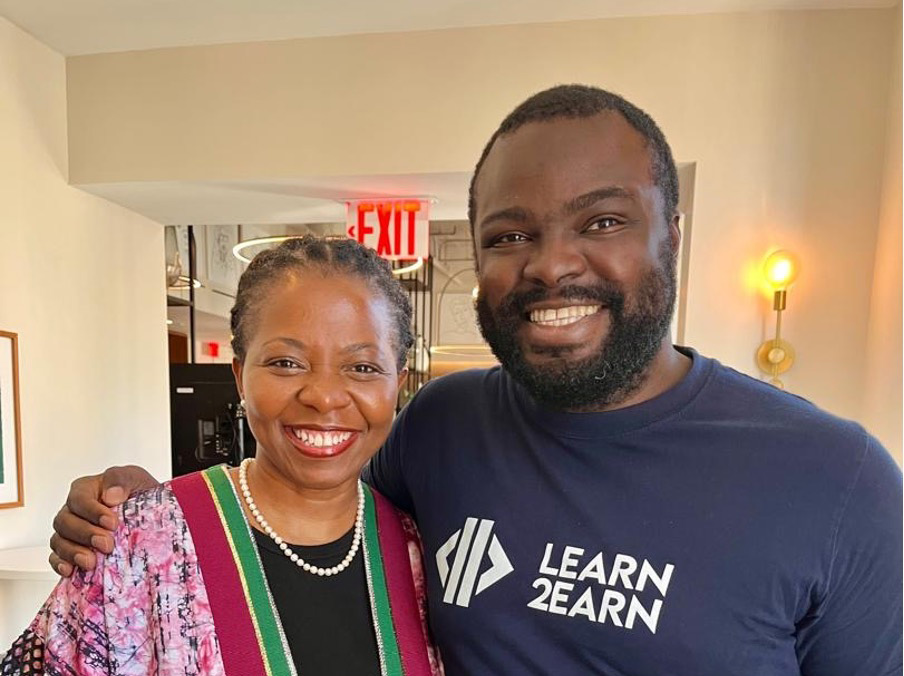
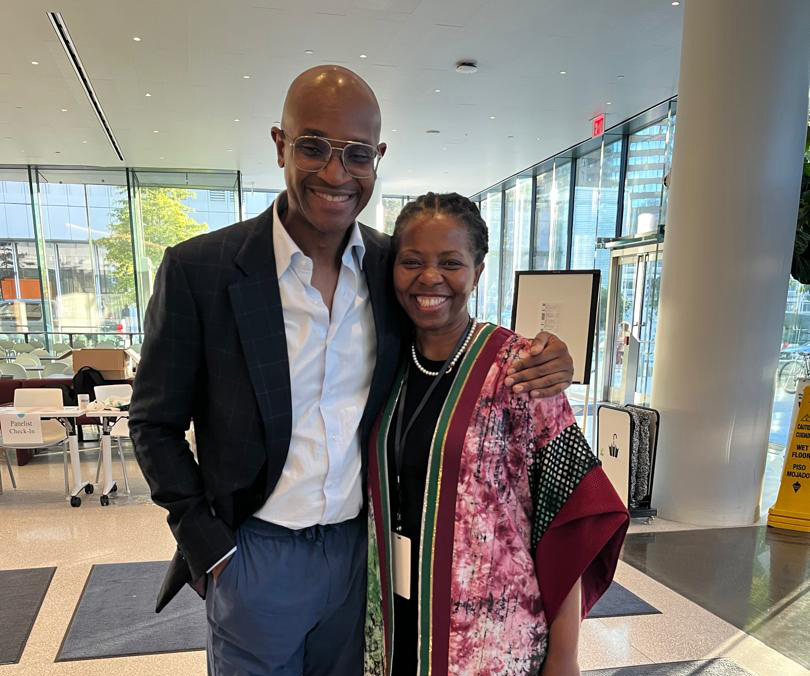
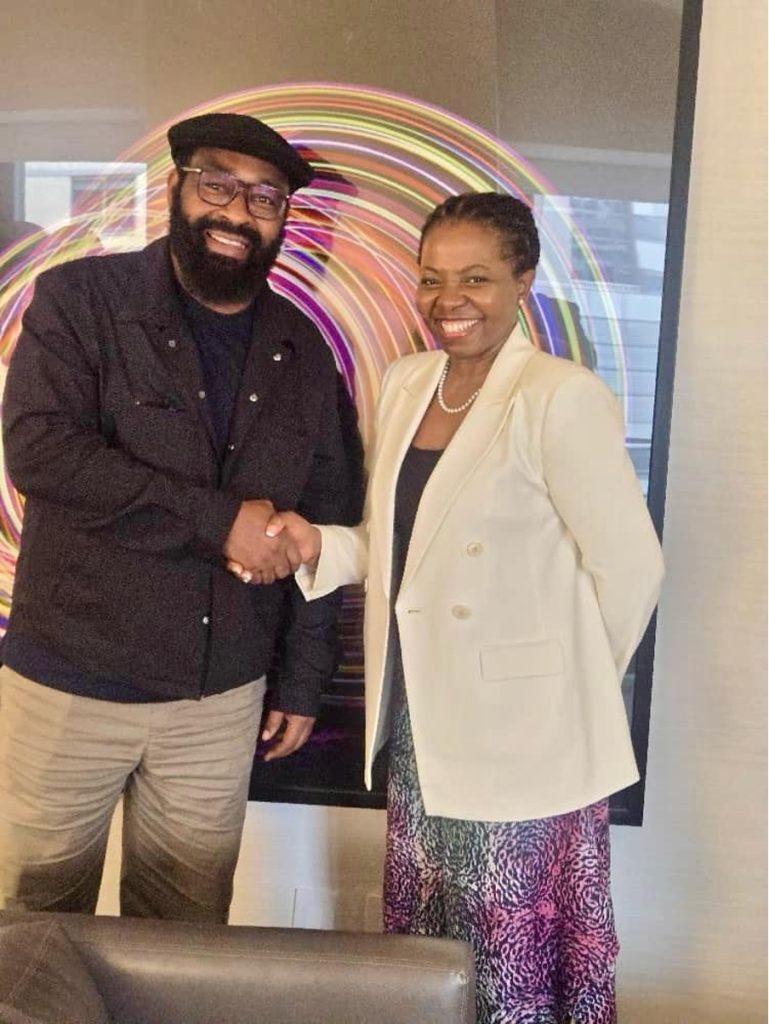
Over there, I also reconnected with two proud JA Nigeria alumni: the Minister himself, Dr. Bosun Tijani, and Iyin Aboyeji, co-founder of Andela and Flutterwave. Both not only celebrated their JA roots but also promised to do more to support our mission back home. Their journeys are proof that JA’s impact ripples far beyond the classroom; it accelerates and multiplies through the paths of our alumni.
Simi with Dr. Bosun Tijani, Minister of Communications, Innovation, and Digital Economy
Simi with Iyin Aboyeji, multiple unicorn business founder
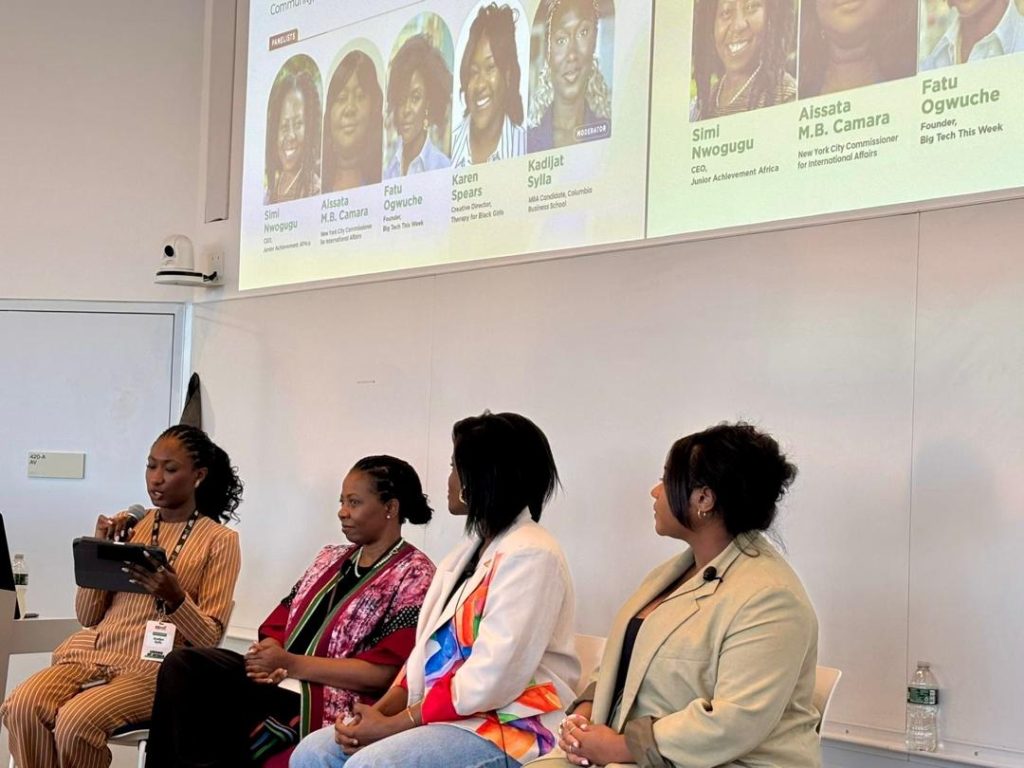
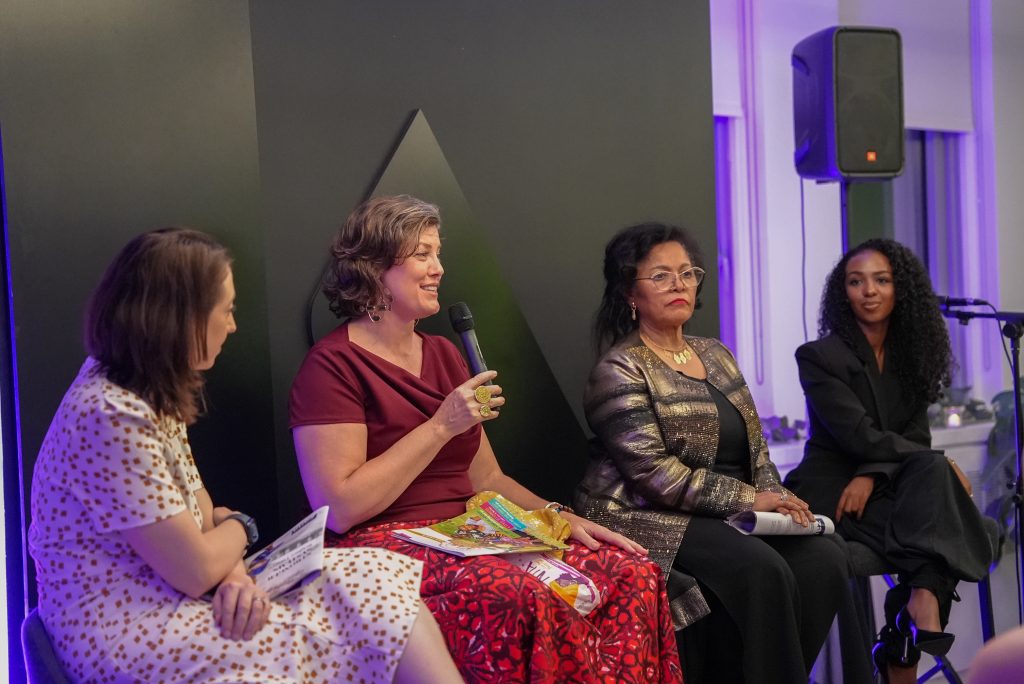
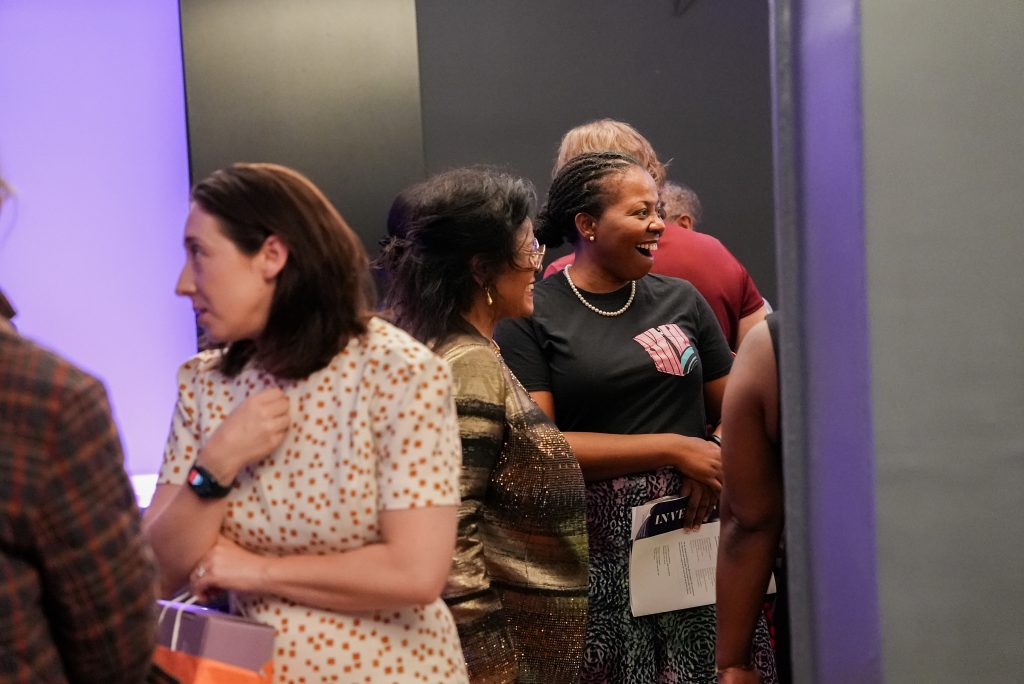
Later that day, I joined leaders at the Columbia Africa Conference 2025 for a panel on “Driving Inclusive Leadership: Advancing Gender Equity in Policy, Community, Entrepreneurship, and Professional Spaces.” I was honored to speak alongside Aissata M.B. Camara (New York City Commissioner for International Affairs), Wawira Njiru (Founder & CEO, Food4Education), and Karen Spears (Creative Director, Therapy for Black Girls). I shared my journey into entrepreneurship and development, offering advice to young women (and men) who aspire to step into entrepreneurship, corporate leadership, and global development roles. It was a delight to run into Ladi Balogun, Chief Executive Officer at FCMB Group Plc, at Columbia Business School. The energy in the room reminded me why platforms like this matter; they open doors for the next generation to see themselves as changemakers and define how they will contribute toward a better world.
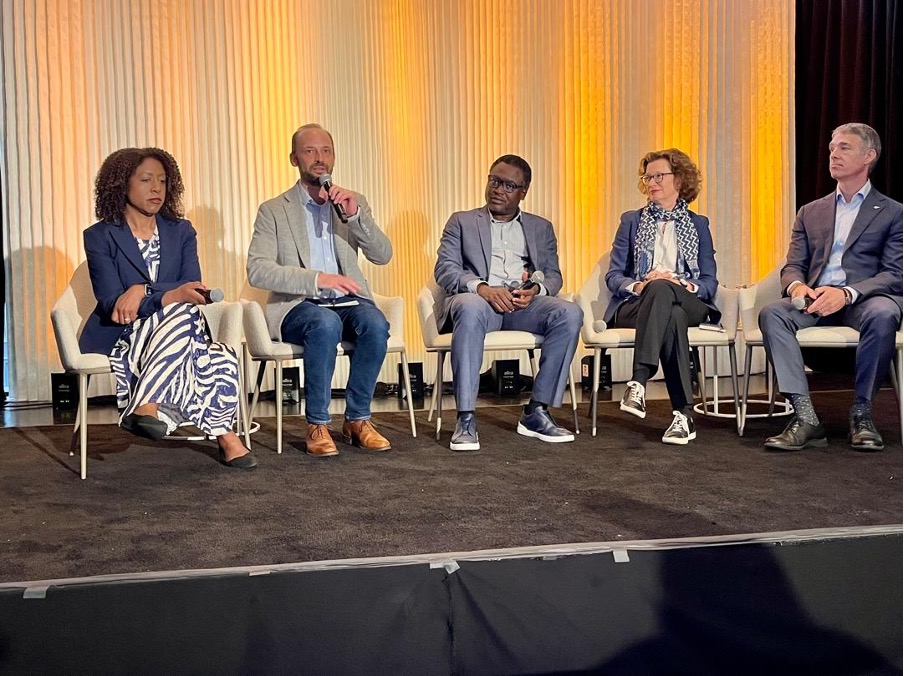
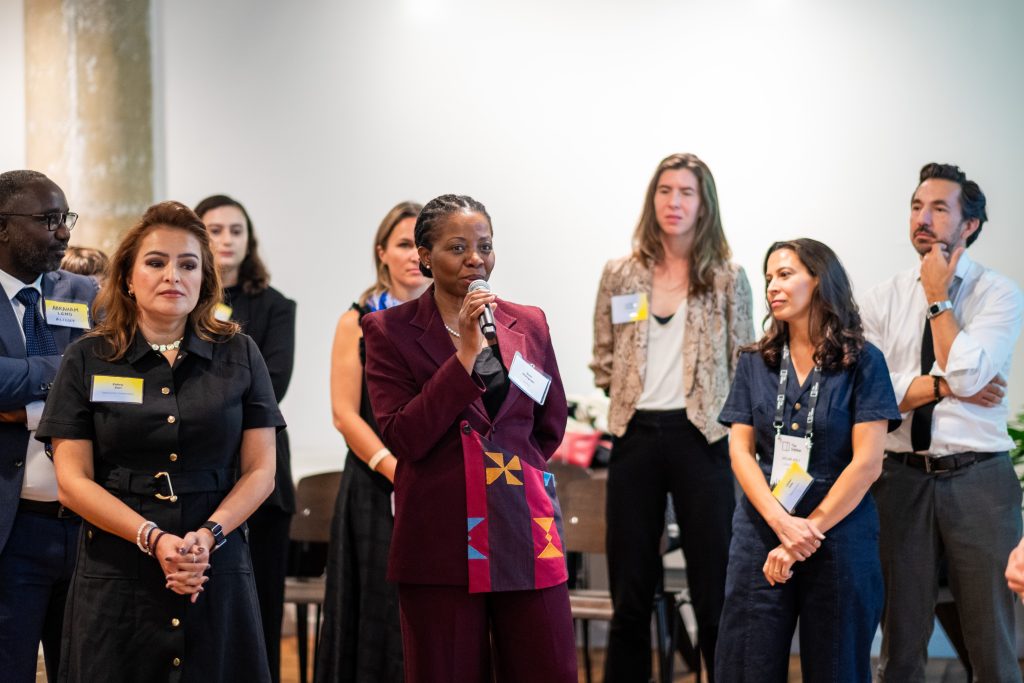
Panel on Driving Inclusive Leadership: Advancing Gender Equity in Policy, Community, Entrepreneurship, and Professional Spaces at Columbia Africa Conference.
Simi with Ladi Balogun, Chief Executive Officer at FCMB Group Plc
It was, in every sense, a day of technology, equity, and inspiration, a fitting start to what promises to be a transformative UNGA week.
Day 2 at UNGA80 – 21st September, 2025
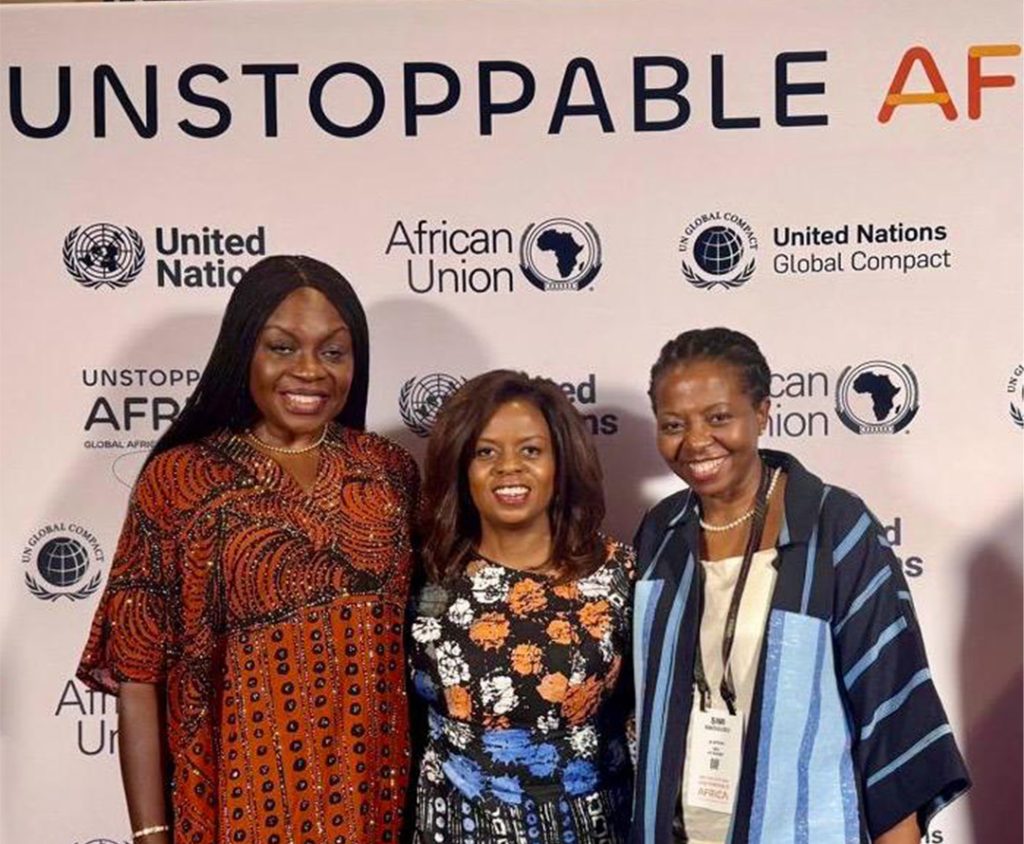
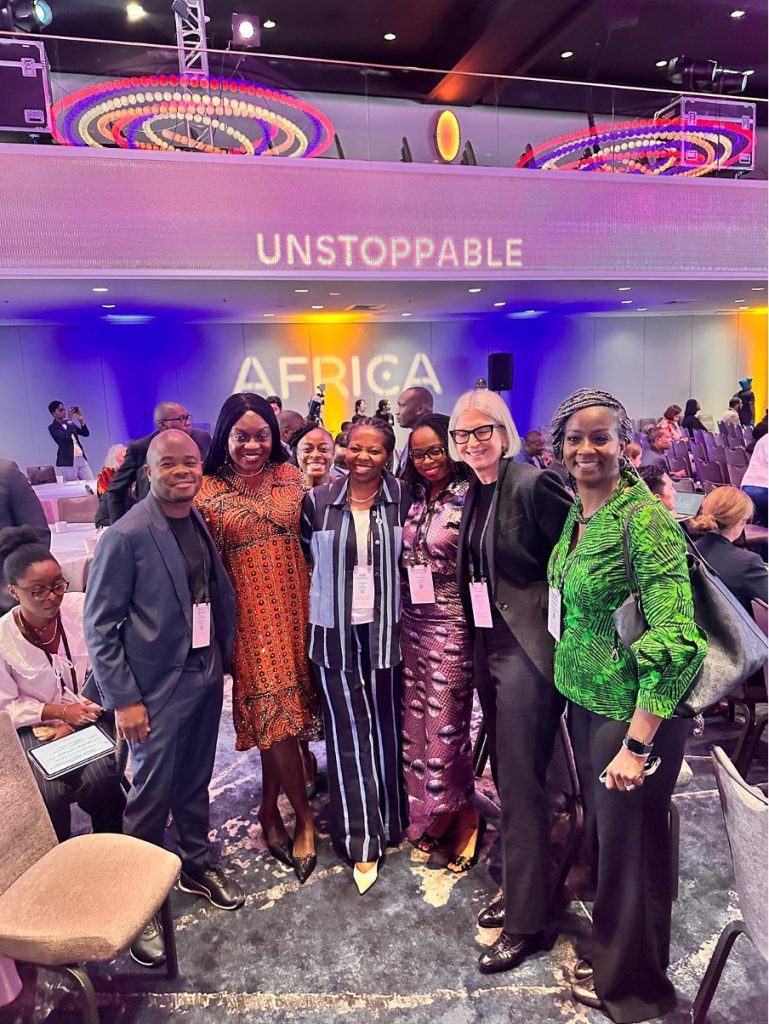
Day 2 of my UNGA80 journey was dedicated to Unstoppable Africa, the flagship forum of the Global Africa Business Initiative (GABI). The message was clear: Africa has staked its position as the cornerstone of the world’s future. With a $3 trillion market opportunity, the continent is now positioned to be the most important driver of global business.
The conversations placed the private sector at the center of solutions, with leaders, policymakers, and innovators showcasing how Africa can unlock its full potential. GABI is more than a forum; it is a platform that positions Africa in its rightful place in the global economy and as the premier destination for business, trade, and investment.
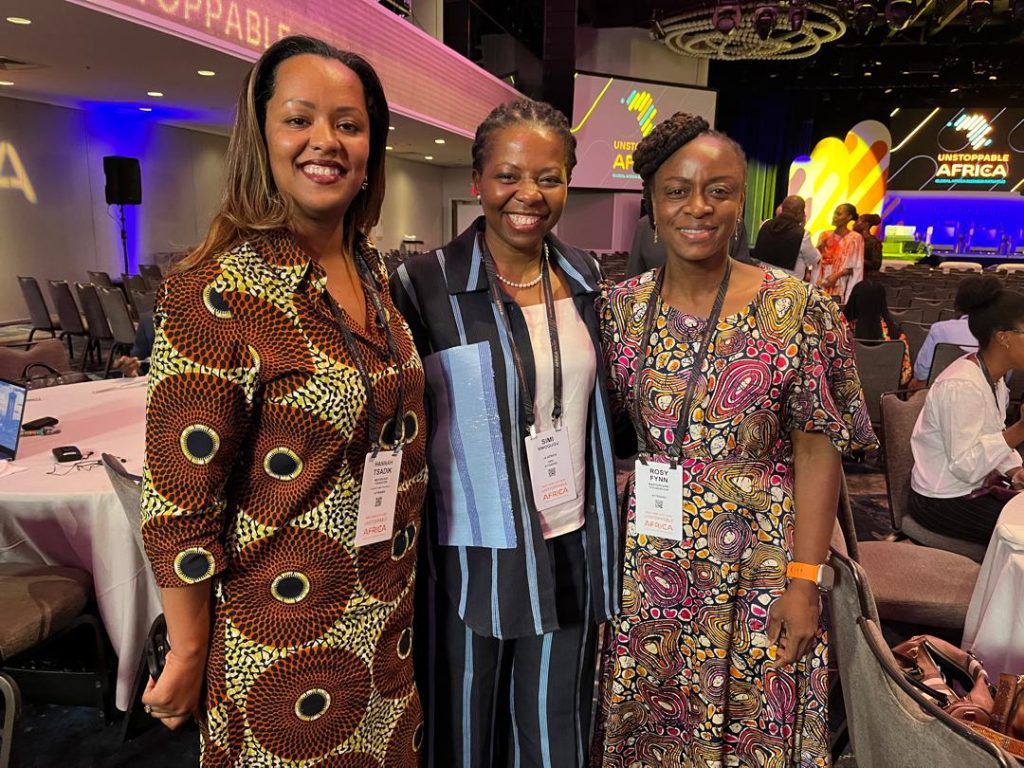
For me, it was inspiring to see these conversations align so closely with JA Africa’s mission. If Africa is to seize this moment, it will be because we invest in young people, the entrepreneurs, leaders, and innovators who will carry this vision forward. Speaking of investing in young Africa, I had the opportunity to connect with Rosy Fynn and Hannah Tsadik, who are the Country Directors of Programs for the Mastercard Foundation in Nigeria and Kenya, respectively. I was reassured of their commitment to the Young Africa Works strategy.
I also had the chance to connect with Fred Swaniker, Founder & CEO of Sand Technologies, whose leadership and commitment to Africa’s future continue to inspire.
Day 2 was a reminder that Africa’s story is not one of potential waiting to be unlocked; it is already unfolding, bold and unstoppable.
Simi with Sanda Ojiambo, the CEO of the UN Global Compact, and Dr. Anino Emuwa, the founder of 100 Women@Davos and Managing Director at Avandis Consulting
Simi with Hannah Tsadik, Country Director, Kenya Programs, and Rosy Fynn, Country Director, Nigeria Programs, of the Mastercard Foundation
Day 3 UNGA80- 22nd September, 2025
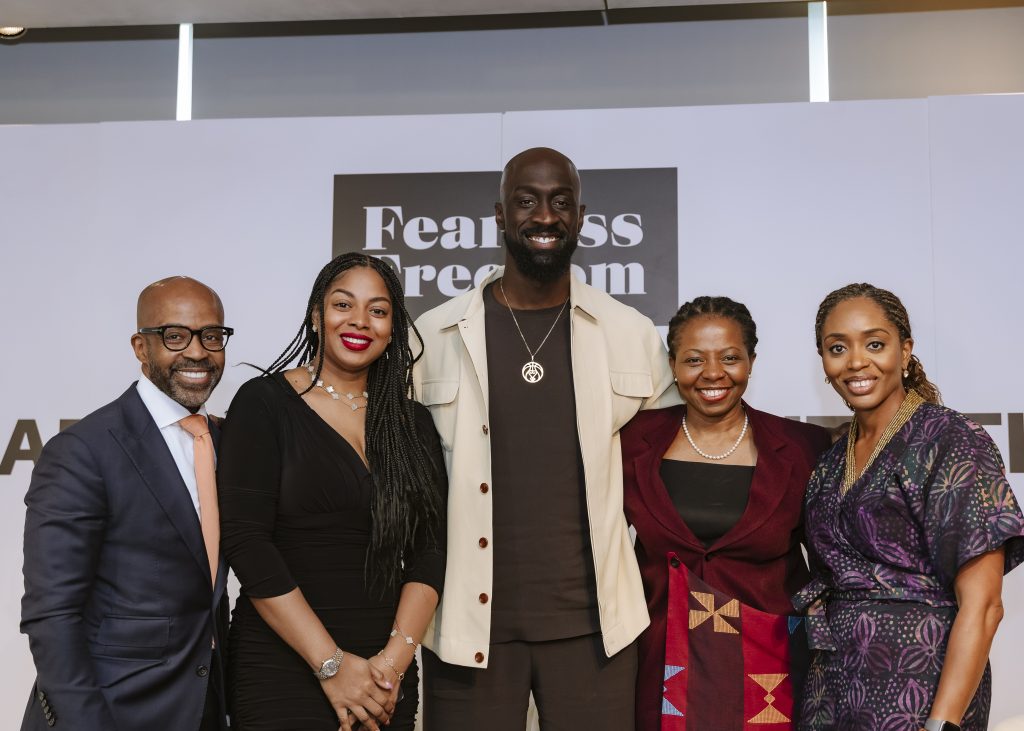
I began Day 3 at the Fearless Global Initiative Summit, supporting the powerful movement of Fearless Freedom to strengthen Black economic power across Africa and the diaspora. I was honored to be invited by Arian Simone, the visionary behind this initiative, to join a panel discussion on “The 100-Year Plan: Designing the Future of Global Black Power,” where we explored the opportunity to invest in African women as a means to achieve global economic power. Most businesses founded in Africa are established by African women; however, due to significant barriers to accessing capital, many of these businesses remain at the micro and small stages of development. I advocated for the investors in the room to transfer more capital to Africa, especially to female founders, if they truly believe in the vision of global Black economic power. I was joined by several leaders, including former Basketball star, Pops Mensah-Bonsu, and Akaego Okoye, Founder of African Business Stories, who is a champion for investing in African women.
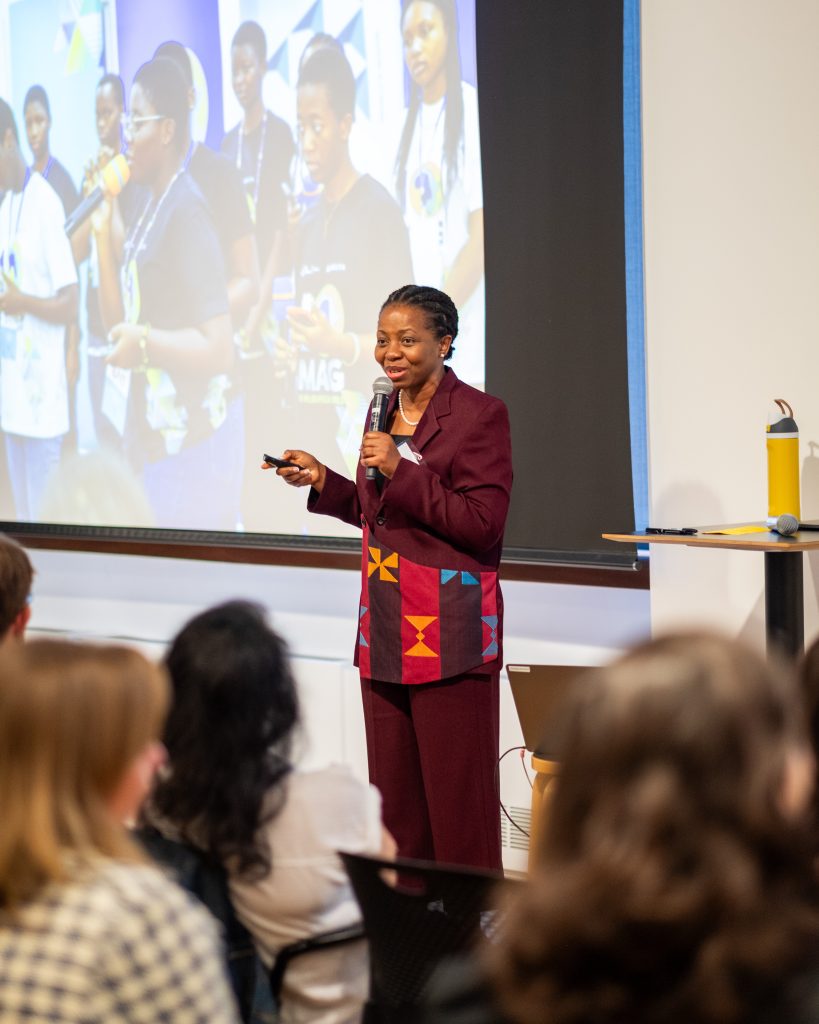
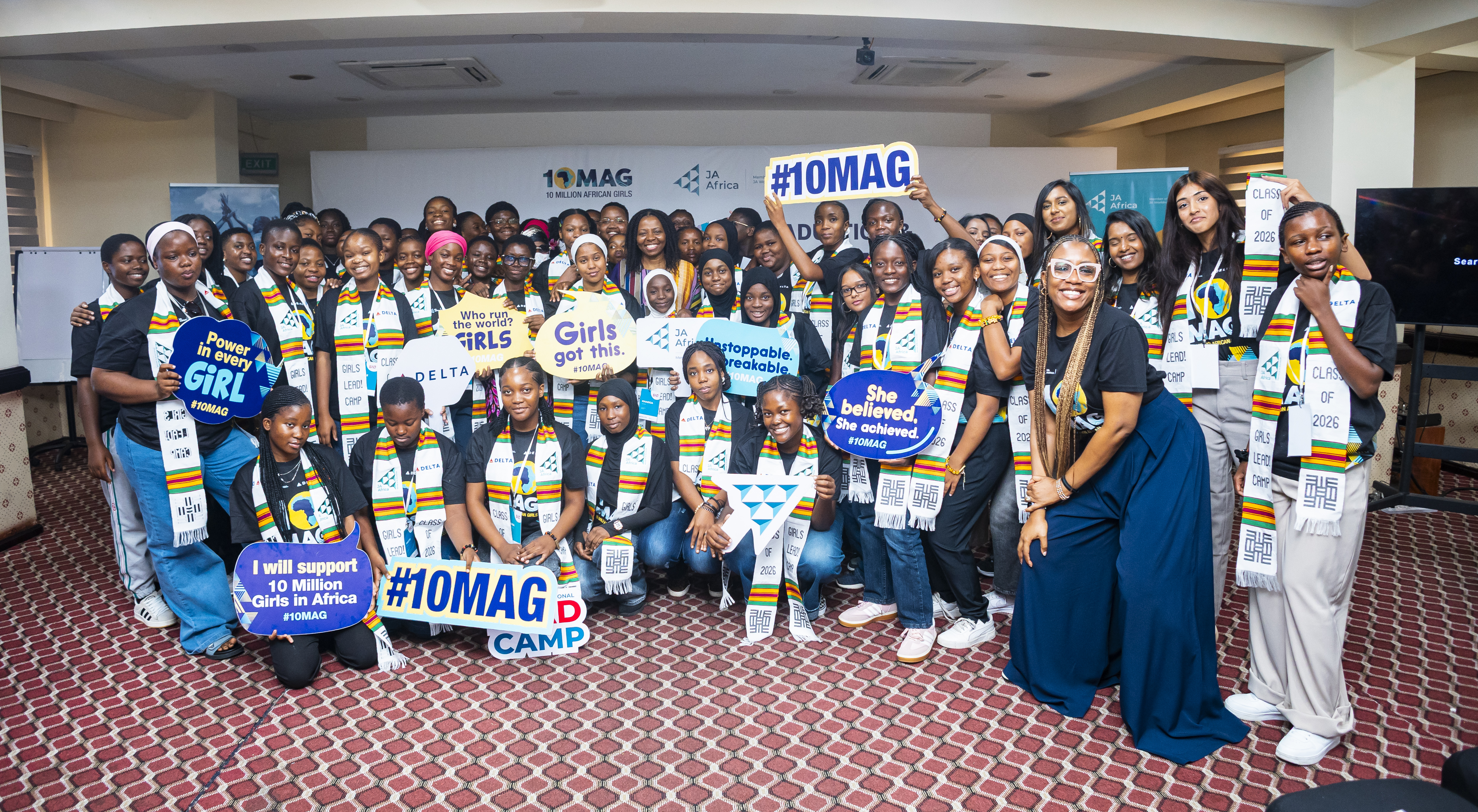
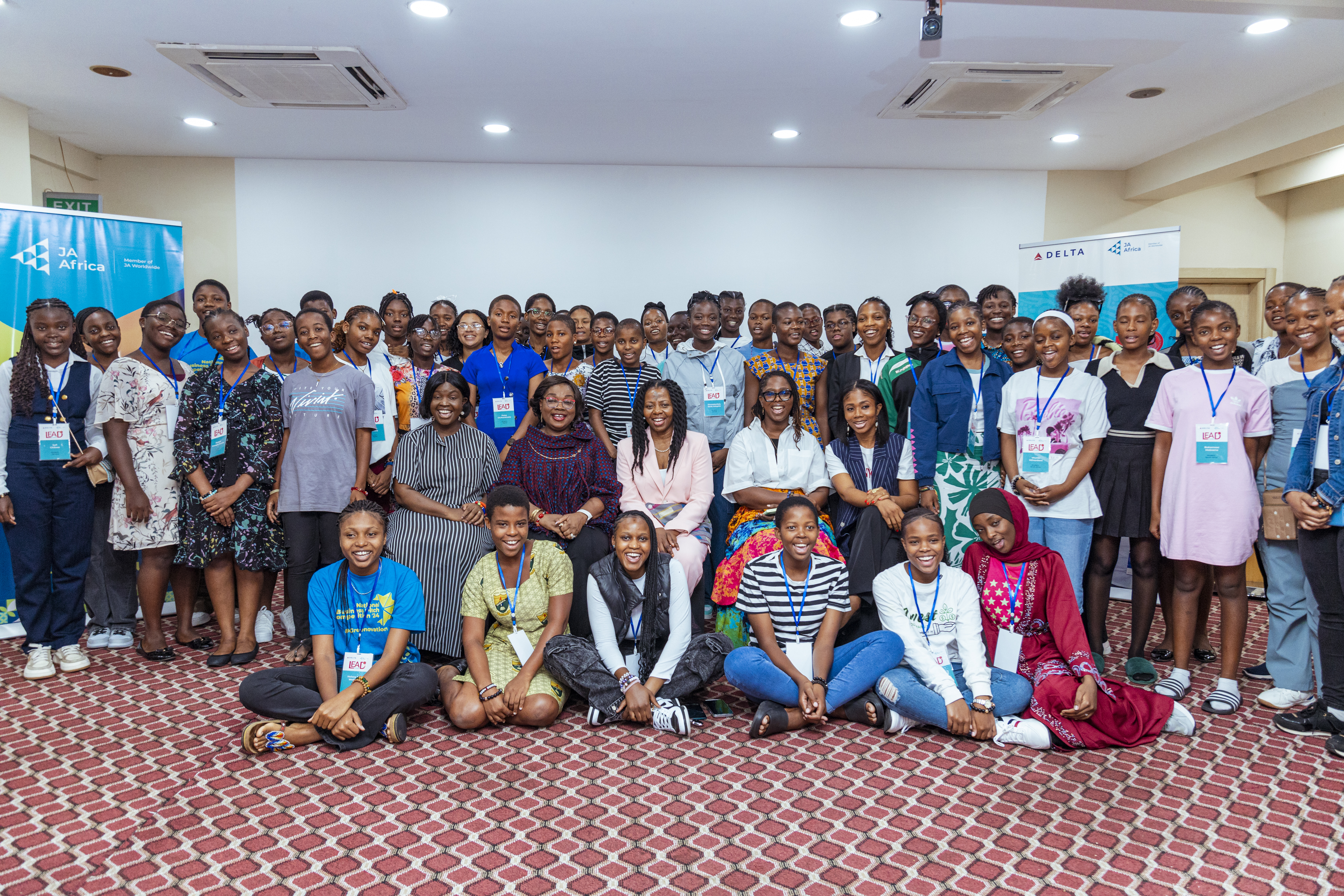
From there, I joined “The Future of User-Centered Collaboration on Global Development” panel hosted by IDEO.org featuring Lauren Kahn, Senior Director & Head of Global Impact at Public Digital, Abraham Leno, Director of Government Relations, Alight, Aly Rahim, Program Manager, CIVIC/Global Partnership for Social Accountability at The World Bank and Milica Begovic, Head of Strategic Innovation at the UNDP. I spoke about JA Africa’s 10 Million African Girls (10MAG) campaign and the LEAD Camp, highlighting how we empower girls to dream boldly and lead social impact projects in their communities. I also shared a video of our girls presenting their projects, a true reminder of their potential and why investing in African girls is a worthy endeavor.
Simi with the panellists: Alphonso David, President and CEO, Global Black Economic Forum; Dr. Jatali Bellanton, CEO, BMU Meta Crypto Hedge Fund; Pops Mensah-Bonsu, President of G-League Operations, New York Knicks; Arian Simone, CEO & Founding Partner, Fearless Fund; and Akaego Okoye, Founder, African Business Stories
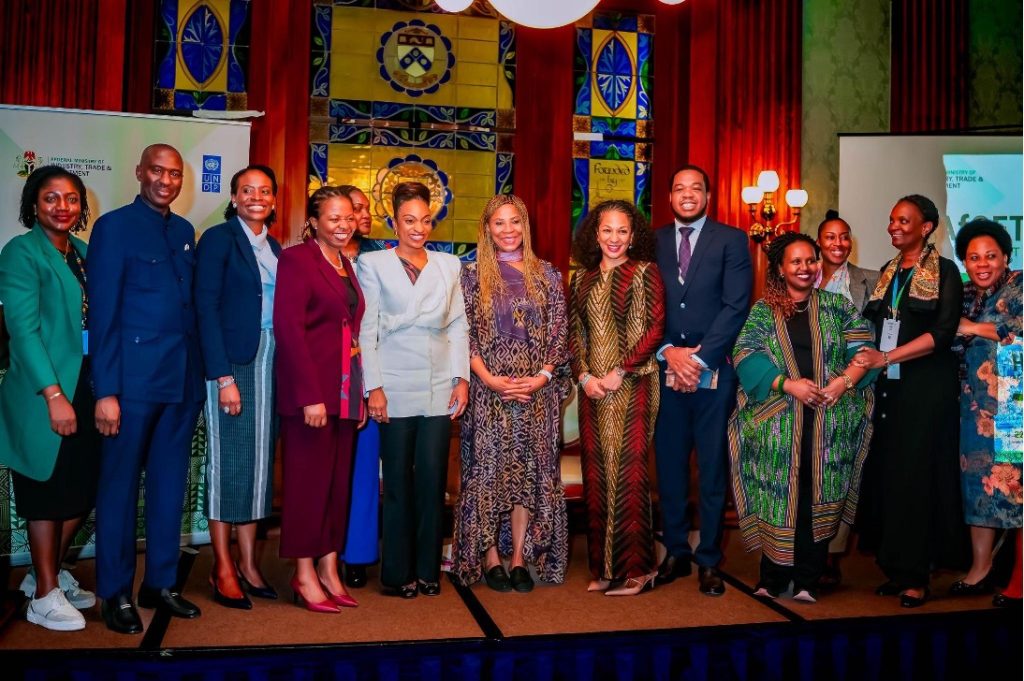
Later, I joined Nigeria Investment Day, hosted by the Federal Ministry of Industry, Trade and Investment which focused on advancing women’s participation in continental trade, in time to catch Hon. Minister Dr. Jumoke Oduwole’s fireside chat with UNDP Regional Director Ahunna Eziakonwa during which they discussed the successes of their initiatives to empower women entrepreneurs, including HerAfCFTA, which is enabling women entrepreneurs to trade across borders under the AfCFTA framework.
Day three was a celebration of collaboration and innovation, with a clear message: when women and girls rise, economies follow.
Day 4 at UNGA80: 23rd September, 2025
Day 4 of my UNGA80 week was a little more laid-back for me, as I wasn’t speaking on any panels. Instead, I spent the day attending sessions, supporting others, and making meaningful connections.
The morning began at the Mastercard Foundation Partner Convening & Sudan Roundtable, where I attended a panel on “Resilience, Innovation & Locally Led Solutions from Sudan.” It was a deeply insightful conversation. I connected with Rosy Fynn, Country Director, Mastercard Foundation Nigeria, and Duaa Mohammed, Program Head at Mastercard Foundation, who organized the session. It was also an honor to hear President Ellen Johnson Sirleaf deliver special remarks during the discussion.
Simi with Duaa Mohamed, Head, Strategic Partnerships, Mastercard Foundation
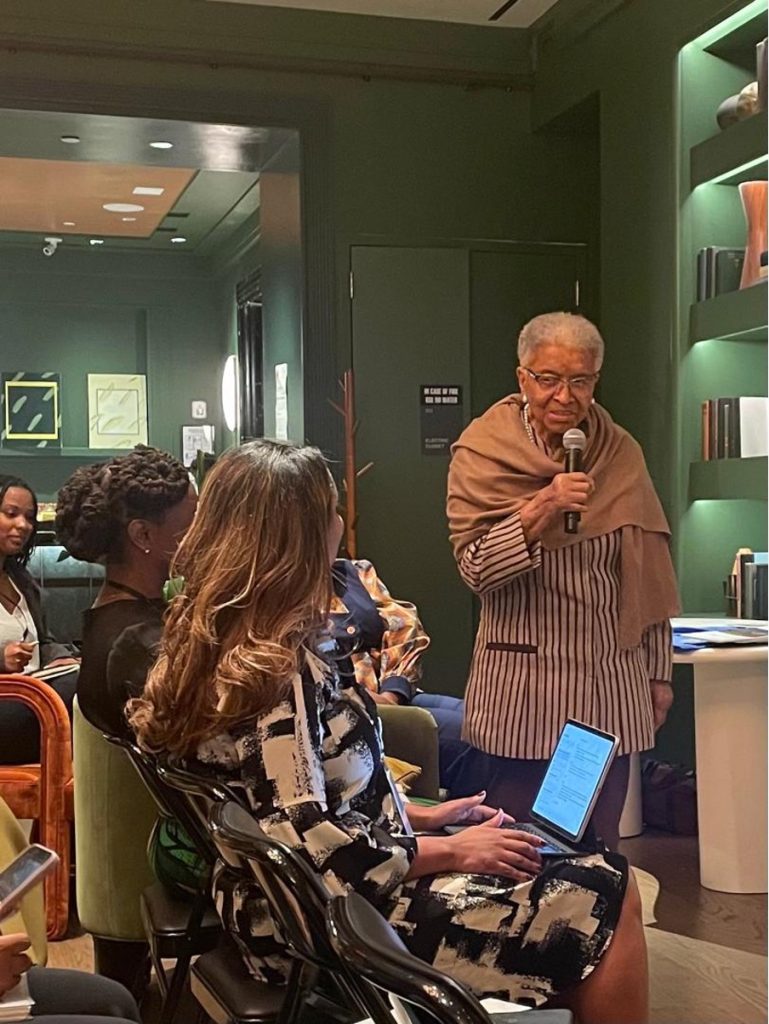
President Ellen Johnson Sirleaf, 24th president of Liberia
Next, I joined the Africa CDC launch of “A New Day for Children with Sickle Cell Disease”, co-hosted by Dr. Jean Kaseya, Director of Africa CDC, the Republic of Ghana, and Texas Children’s Hospital. It was inspiring to hear leaders from governments, healthcare, and philanthropy share their commitment to improving care for children with Sickle Cell Disease. A highlight for me was seeing Simisola Gbadamosi, Emmy-nominated voice actress and proud JA Alum from the Cha-Ching Clubhouse, deliver a heartfelt call to action. Together, we celebrated the work being done to integrate Sickle Cell Disease into primary healthcare and expand access to affordable medicines across the continent.Together with African Union Member States & partners, Africa CDC is committed to ensuring no child is left behind. This is how we build a healthier, stronger Africa.
Simi with Simisola Gbadamosi (Emmy-nominated voice actress and proud JA Alum)
In the afternoon, I headed to the Devex Impact House, where I joined the thought-provoking sessions titled“The SDGs Are Dead. Long Live the SDGs?” that tackled bold questions about the global goals.
One point that stood out came from Kennedy Odede, Co-founder and CEO of Shining Hope for Communities (SHOFCO), who emphasized the need to make global agendas truly global. I share this view: local solutions, led by communities and governments, must be at the center of development. That has always been JA Africa’s approach: working not only with international organizations, but also with governments and local partners who are rooted in the communities they serve. Other powerful voices on the panel included Tom Hart, President & CEO of InterAction; Tjada D’Oyen McKenna, CEO of Mercy Corps; and Michelle Nunn, President & CEO of CARE.
Panel on “The SDGs Are Dead. Long Live the SDGs?” at Devex Impact House @ UNGA 80
Simi with Sharyanne McSwain, President, Echoing Green, and Tjada D’Oyen McKenna, CEO of Mercy Corps
I was also delighted to connect with Tjada D’Oyen McKenna, CEO of Mercy Corps, with whom we’re collaborating, as the Mercy Corps teams in Africa and the UK have been working closely with JA Africa to enhance the Social Equity Program (SEP).
In addition, I had the chance to reconnect with Sharyanne McSwain, President of Echoing Green, a leader I greatly admire, to advance conversations on possible collaborations.
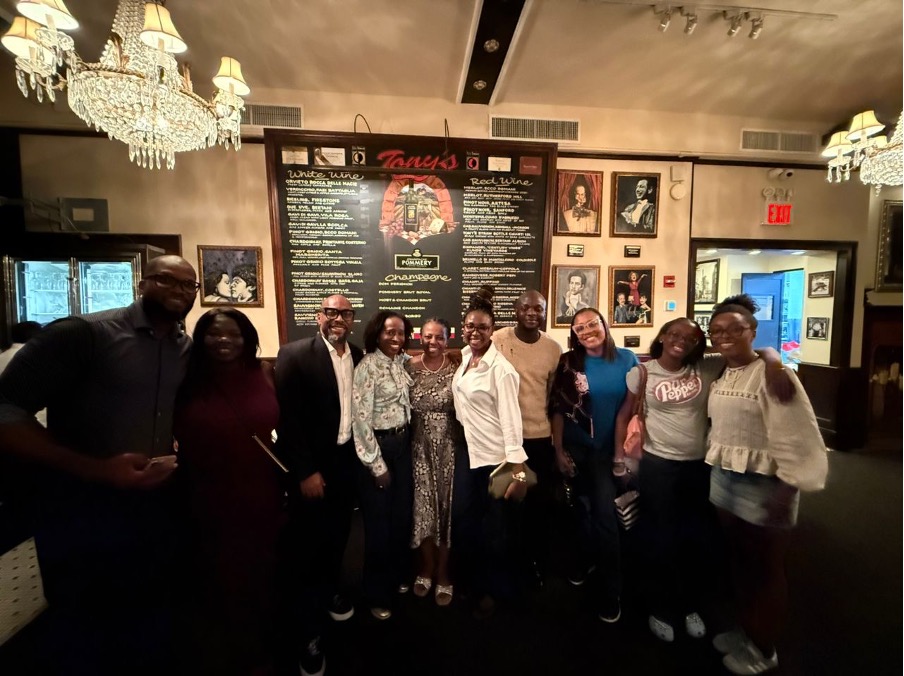
The day ended with dinner alongside inspiring colleagues and friends, including Sanyade Okoli, Special Advisor to Nigeria’s President on Finance & the Economy, Chukuka Chukuma, Ifedayo Agoro and her husband, Frank Itom and Foluso Gbadamosi, 10MAG Lead at JA Africa..
Day four was all about listening, learning, and building bridges. Each encounter reminded me of the power of partnerships in driving sustainable change for Africa’s youth.
Day 5 at UNGA80- 24th September, 2025
Day five at UNGA80 was a whirlwind of meaningful conversations and connections.
I started the morning at the Faith Driven Africa Changemakers Breakfast, coordinated by Thelma Ekiyor-Solanke, Chairperson of the Nigeria Office for Philanthropy & Impact Investing (NPO). The gathering brought together people who are not only making an impact across the continent but are also motivated by their faith to drive lasting change. It was during this breakfast that I met Honourable Anne Wang’ombe, Principal Secretary for the Ministry of Gender, Culture, and Children Development in Kenya. I introduced the 10 Million African Girls (10MAG) Campaign to her, and she was eager to explore how we can partner to bring it to Kenya.
I also connected with Vanessa Anyoti, CEO of the Jakaya Mrisho Kikwete Foundation, which is the foundation established by the former President of Tanzania. Their enthusiasm for collaboration, especially in youth empowerment initiatives, was inspiring and a reminder of how aligned our goals are across the continent.
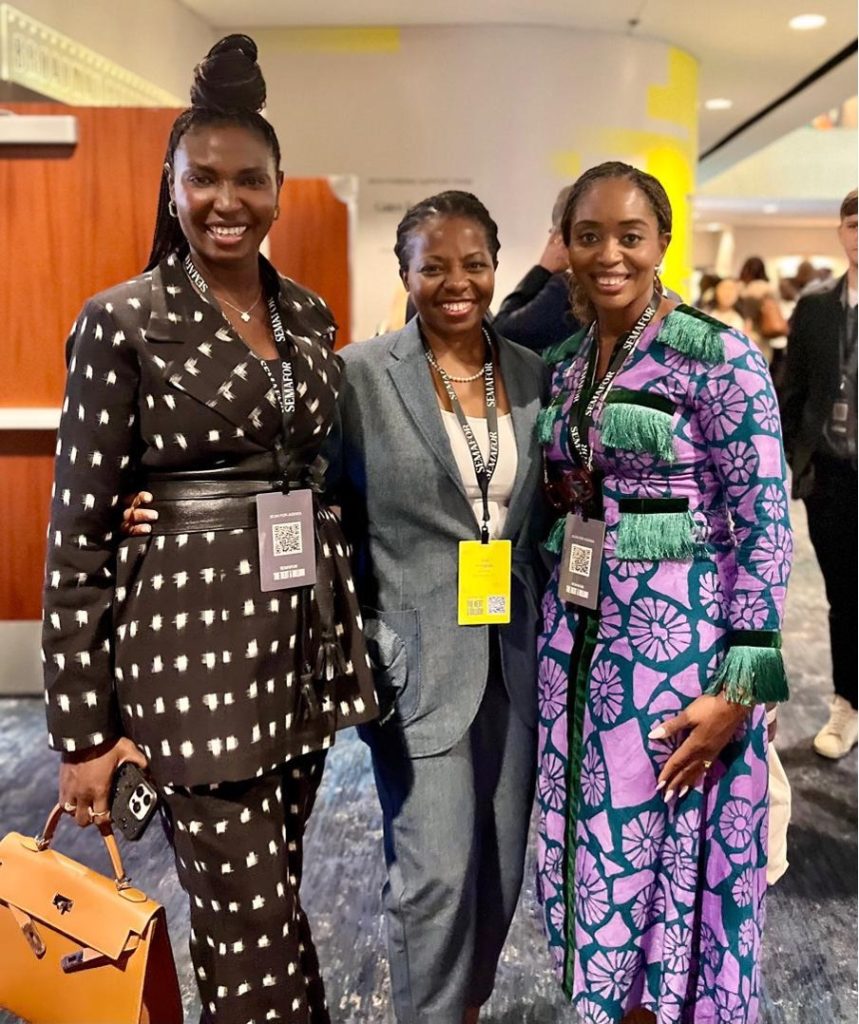
Later, I attended the Semafor Next 3 Billion Summit, focused on ensuring that Africa and other regions are not left behind in the digital economy. It was a rich space to meet innovators and storytellers like Ifedayo Agoro, founder of Dang Lifestyle and Diary of a Naija Girl, and Akaego Okoye, founder of African Business Stories. Our conversations centered on storytelling as a tool to highlight and elevate Africa’s businesswomen, something I believe is deeply necessary to change narratives globally.
Simi with Ifedayo Agoro, Founder & CEO of Dang Lifestyle and Akaego Okoye, Founder, African Business Stories
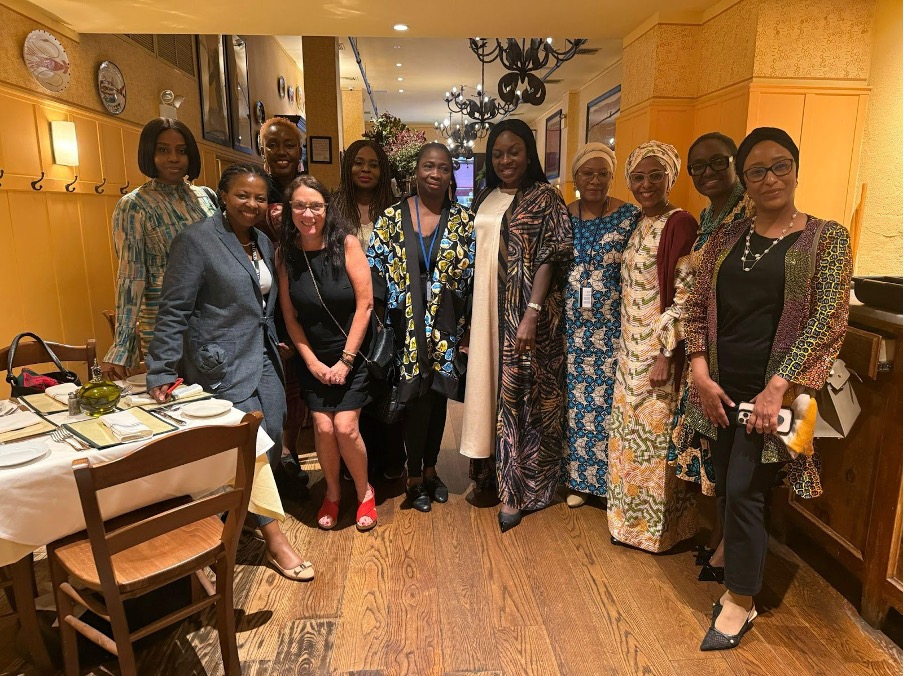
Lunch was with Women in Philanthropy and in Impact (WIPIA), led by Dr. Anino Emuwa, also founder of the 100Women@Davos Initiative. Among those present was Hon. Dr. Abike Dabiri-Erewa, Chair/CEO of the Nigerians in Diaspora Commission (NiDCOM). Our discussions emphasized the need for collaboration among women leaders in philanthropy and impact to scale initiatives more effectively across Africa.
In the evening, I attended “Uncomfortable Questions, Urgent Solutions,” hosted by The ONE Campaign and led by my good friend Ndidi Nwuneli. There, I met with Serah Makka, ONE’s Africa Director, and Mosun Layode, Executive Director of the Africa Philanthropy Forum. This session addressed challenging yet necessary discussions about partnerships, trust, financing at scale, and the political will required to prioritize domestic-first solutions within African governments. I was encouraged to see ONE.org launching a new health financing product with Google, underscoring the power of data visibility in making solutions more actionable.
Simi with Mosun Layode, Executive Director, African Philanthropy Forum, and Serah Makka, ONE’s Executive Director for Africa
The day concluded at the Kuramo Capital reception, hosted by Wale Adeosun, Founder & CEO. The event highlighted preparations for the 50th anniversary of FESTAC ‘77, Nigeria’s landmark cultural and arts festival, with plans for a revival in 2027. It was inspiring to see cultural leaders and investors reimagining this historic celebration for a new generation. During the reception, I also reconnected with Chinonso Ndimantang, the former Head of Marketing and Communications at JA Nigeria, now at JP Morgan as Vice President, GTM Strategy and Enablement, Merchant Services.
Simi with Chinonso Ndimantang, Vice President, GTM Strategy and Enablement, Merchant Services, JPMorgan
Day 6 - 24th September, 2025
Thursday was all about collaboration, innovation, and building pathways for youth and marginalized girls.
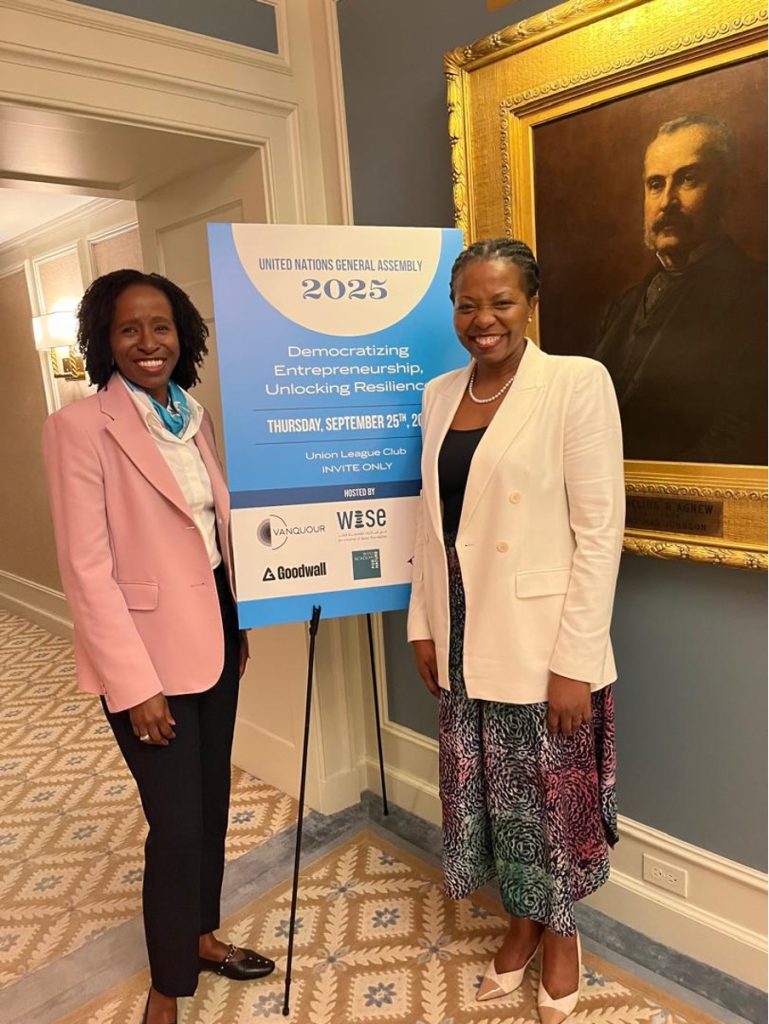
The day began with the JA Roundtable, part of a high-level UNGA session on Unlocking Youth Innovation for Climate Resilience, hosted by Goodwall in partnership with Generation Unlimited, JA Worldwide, Qatar Foundation – WISE, and the Wyss Academy for Nature. The roundtable brought together leaders from across various sectors to discuss empowering youth and co-creating solutions focused on economic resilience, climate resilience, and entrepreneurship. Sanyade Okoli, Special Advisor to the Nigerian President on Finance & the Economy, delivered the opening remarks on behalf of the Nigerian government.
Simi Nwogugu with Sanyade Okoli, Special Adviser to Nigeria's President on Finance & the Economy
The highlight was meeting with Joshua Amponsem, Co-Director of the Youth Climate Justice Fund, which provides seed grants to young people developing climate adaptation solutions. We discussed partnering to empower young entrepreneurs focused on climate justice, as this aligns perfectly with this year’s COY theme, ‘Action for Climate Transformation,’ which highlights young people developing innovations to address climate challenges.
Simi with Joshua Amponsem, Co-Director, Youth Climate Action Fund
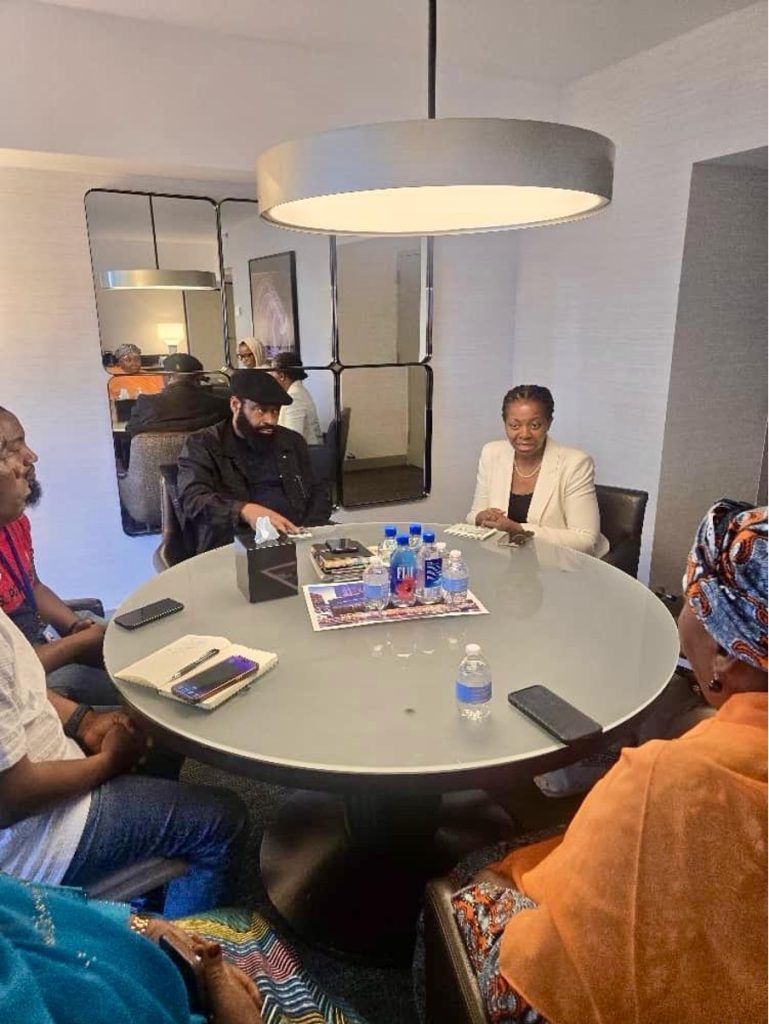
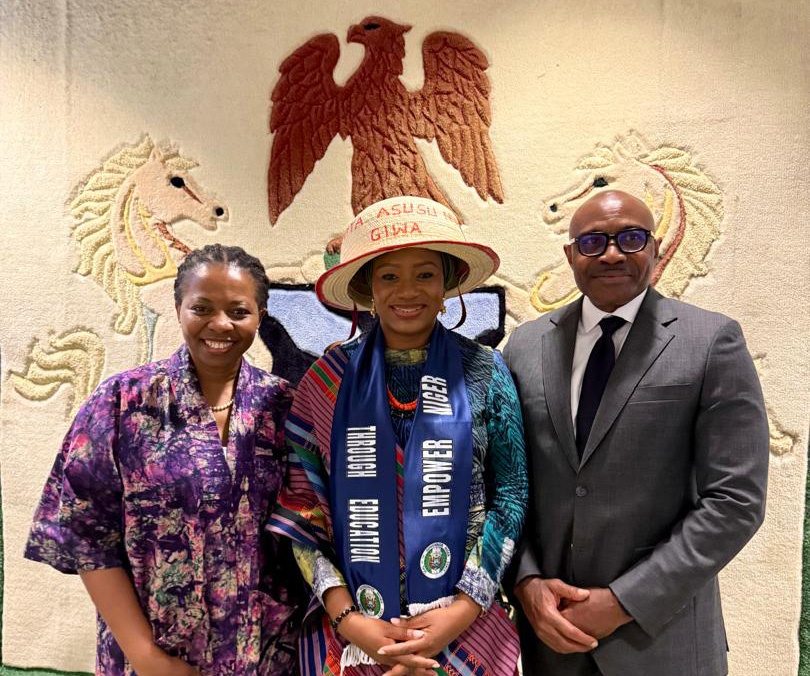
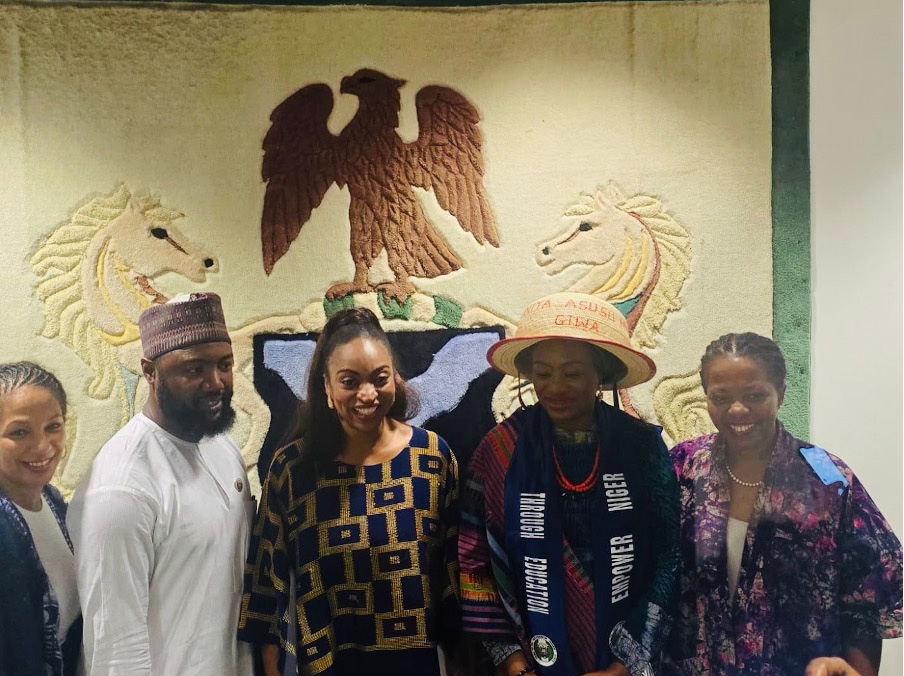
Later, I met with Hon. Dr. Mohammed Umaru Bago, Governor of Niger State, and his team, including Hajiya Maimuna Mohammed, Director General, Niger State Ministry of Basic and Secondary Education; Barrister Mairo Mohammed Mann, Permanent Secretary, Ministry of Justice; and Hauwa Bako, Special Advisor on School Investment Program, to discuss bringing SET4LYF to Niger State. The program focuses on supporting marginalized girls, including those with disabilities, in refugee camps and internally displaced populations. Arranged by Mustapha Ndajiwo, Honourable Commissioner of Budget and Planning, the meeting laid the groundwork for a holistic approach: alongside education, girls will receive menstrual health education, sexual health resources, and support to prevent early marriage. The team expressed strong support, culminating in the signing of an MOU the following day.
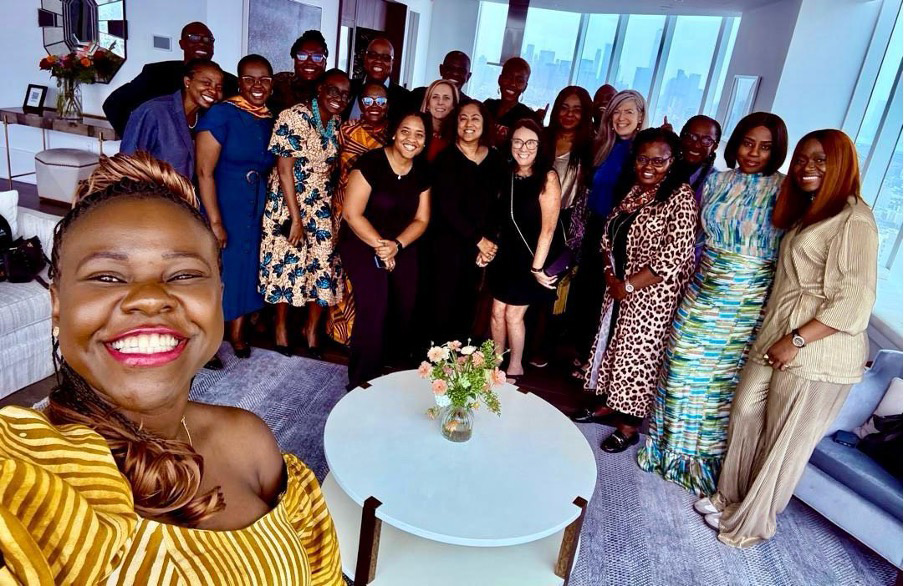
In the evening, I attended a ZanaAfrica dinner, hosted by my longtime friend and mentor Melinda Wolfe, Board Chair of ZanaAfrica. The salon-style event, “Cocktails & Conversation: Why Sustainable Change Requires a Global Mindset,” featured speakers including Francesca Mazolla, Deputy Director of The Gates Foundation; Her Excellency Nardos Bekele-Thomas, CEO of the African Union Development Agency – NEPAD; and Megan Mukuria, Founder of ZanaAfrica. The evening explored how global-local collaboration and U.S. philanthropy can drive lasting gender equity. ZanaAfrica equips adolescent girls and women in Kenya with the tools to thrive, providing sexual health education, menstrual health resources, and programs aligned with the demographic we serve through SET4LYF. The dinner offered both inspiration and meaningful insights into sustainable impact for girls across Africa.
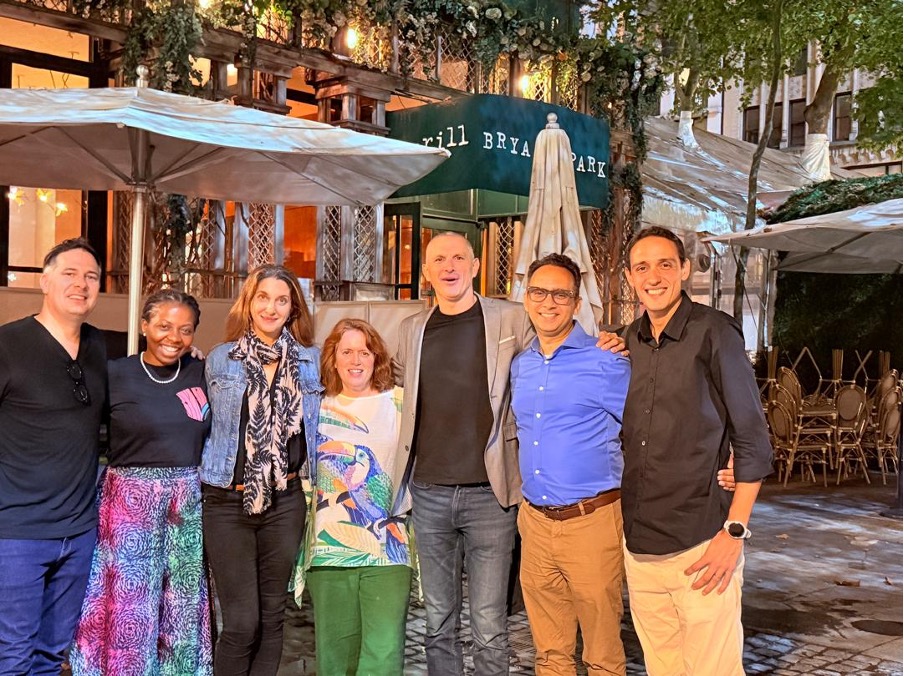
Thursday ended with the JA team dinner, a wonderful opportunity to reflect on the week so far and connect on the next steps for our ongoing initiatives.
From Left to Right: Don Sedlock, Director of Global Development, JA Worldwide; Simi Nwogugu, President & CEO, JA Africa; Ana Martiningui, Vice President of Global Development, JA Worldwide; Tere Stouffer, Chief Marketing Officer, JA Worldwide; Leo Martellotto, Chief Development Officer, JA Worldwide; Asheesh Advani, President & CEO, JA Worldwide; and Hernán Zocco, Director of Partnerships Marketing, JA Worldwide
Day 7 at UNGA80- 26th September
On September 26th, my seventh day at UNGA80, I began with the JA Africa Board meeting. I was excited to share some of the experiences and conversations I had with the board members, particularly as it highlighted the endless possibilities for the next phase of our organisational strategy.
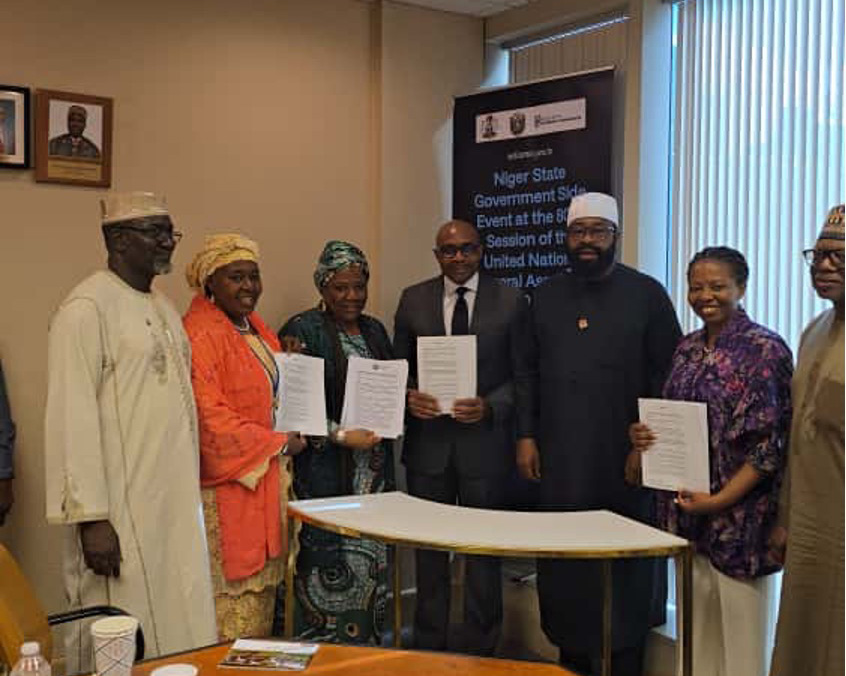
After the Board meeting, I attended the Niger State side event, “BridgingtheGap:SubnationalDevelopment,HumanCapital,andAgriculturalTransformation,” at the Nigeria House. The event was hosted by Hon. Dr. Mohammed Umaru Bago, Governor of Niger State, and during the session, JA Africa and JA Nigeria signed an MOU with the Niger State government to bring SET4LYF to Niger State. While attending this event, I also reconnected with the former Deputy Governor of the Central Bank of Nigeria, Aishah Ndanusa Ahmad, and the Honorable Minister, Dr. Jumoke Oduwole.
Hon. Mohammed Umaru Bago, Governor of Niger State, and his team, including Hajiya Maimuna Mohammed (Director General, Niger State Ministry of Basic and Secondary Education), Barrister Mairo Mohammed Mann (Permanent Secretary, Ministry of Justice), and Hauwa Bako (Special Advisor, School Investment Program)
Simi with Aishah Ndansua Ahmad, former Deputy Governor, Central Bank Nigeria and Dave Uduanu, Vice Chair and incoming Board Chair of JA Nigeria
Nwando Ajene, Hon. Minister Dr. Jumoke Oduwole, former deputy governor of the Central Bank of Nigeria, Aishah Ndanusa Ahmad
This event reinforced the importance of collaboration between government, stakeholders, and local initiatives in creating sustainable solutions that empower communities. These principles guide JA Africa’s work in equipping youth and marginalized girls with the skills, resources, and opportunities to thrive and contribute meaningfully to their communities.
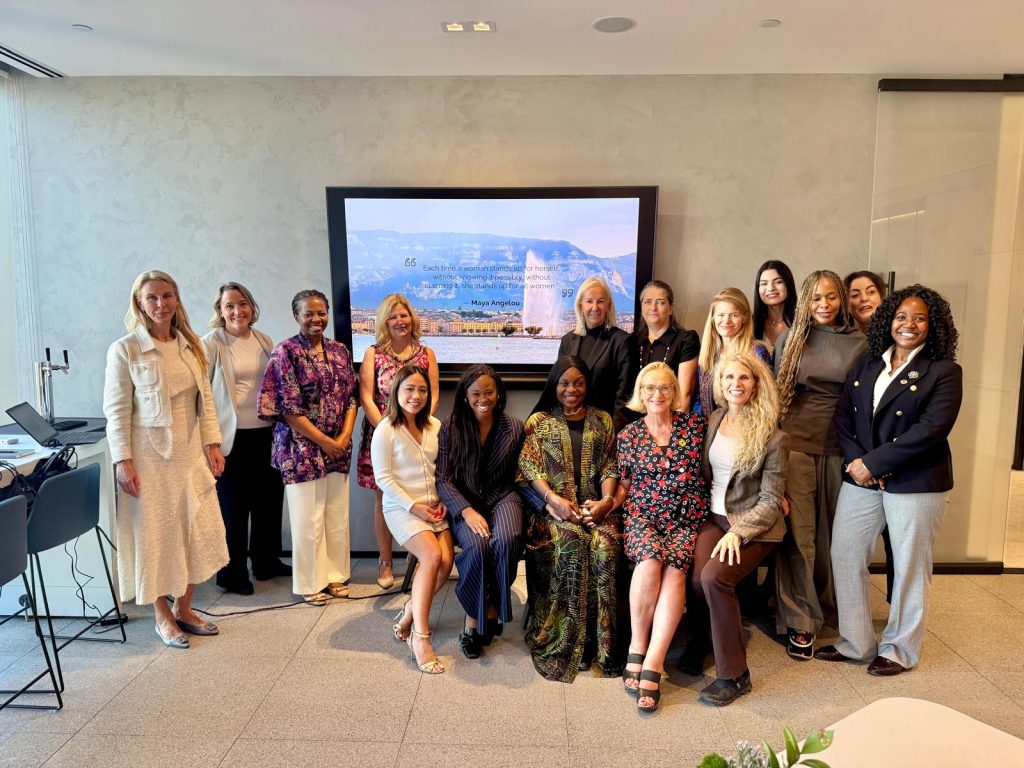
After this, I attended the Women’s Leadership Roundtable by 100 Women @ Davos, where conversations explored the intersection of women’s leadership, sustainability, and innovation, focusing on how women leaders can embed sustainability into their core agendas and harness AI as a strategic tool for driving impactful change. This conversation was led by Katja Iversen, CEO of the Museum for the United Nations-UN Live; Iris Maria Van der Veken, Executive Director of the Watch & Jewellery Initiative 2030; and Audrey R. Hametner, Founder and CEO of The Bedrock Program. At the heart of this conversation were two things I am passionate about: the role of women in driving sustainable change and the strategic application of AI today.
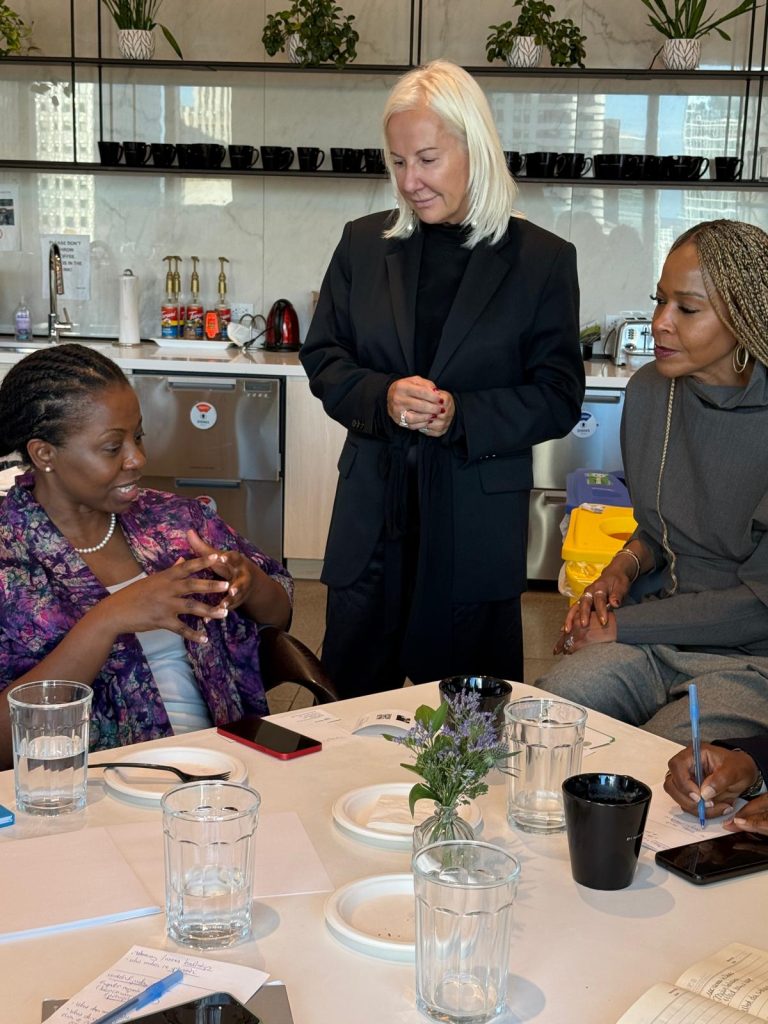
Simi in conversation with Iris Maria Alexis Van der Veken, Executive Director at Watch & Jewellery Initiative 2030 (WJI 2030); and Kemi Da-Silva Ibru, Specialist Physician; Obstetrics & Gynecology, and Founder, Women At Risk International Foundation (WARIF)
Simi at Women's Leadership Roundtable by 100 Women @ Davos
As UNGA week wrapped up, I found myself reflecting on the themes that ran throughout the week: collaboration across sectors, investing in youth and marginalized communities, and finding practical ways to address challenges in education, health, and economic development. These conversations truly resonate with what we do at JA Africa, as we equip young people, especially girls, with the skills, opportunities, and confidence to make a meaningful difference in their communities. It was inspiring to see how much can be achieved when governments, organizations, and youth come together around a shared vision.