As the year comes to a close, December offers more than celebration; it offers perspective. Reflection at JA Africa is not a passive exercise; it is a way to honour the people, partnerships, and young leaders who have made progress possible and to sharpen our resolve for the work ahead.
Our 12 Days of Impact is an invitation to pause and look closely at how each month contributed to a larger story, one of belief translated into action, systems strengthened through partnership, and young people equipped not just to dream, but to build. What follows is a journey through the year, month by month, capturing the moments that defined our work and the lessons that continue to guide us.
Day 1 – January
January began with intention. As leadership gathered in Kigali, Rwanda, for JA Africa’s Senior Leadership Retreat, the focus was not simply on targets, but on alignment, aligning strategy with mission, systems with scale, and people with purpose. The conversations centred on how JA Africa must evolve to meet the growing demand for entrepreneurship, financial literacy, and work-readiness education across the continent.
A defining milestone followed with the formal launch of JA Rwanda. In partnership with the Rwanda TVET Board, the JA Company Program was rolled out in 50 technical secondary schools, reaching over 1,000 students, with girls forming the majority. This launch represented more than geographic expansion; it was a statement of confidence in young Rwandans’ ability to innovate when given structured, experiential learning opportunities.
On the global stage, JA Africa advanced conversations on skills, financial inclusion, and girls’ empowerment at Davos, while the launch of 10 Million African Girls (10MAG) secured its first major funding commitment.
January also marked the return of the AfrInnovate Youth Challenge, where young people from across Africa presented solutions rooted in community realities. Uganda emerged once again as the winner, reinforcing a consistent truth: when youth are equipped with problem-solving frameworks and mentorship, innovation follows naturally.
Day 2 – February
February unfolded against a backdrop of global uncertainty, with conversations around shrinking international aid and shifting development priorities dominating headlines. For JA Africa, this moment reaffirmed a long-held belief: Africa’s future will not be secured through aid alone, but through sustained investment in its young people.
This conviction shaped the launch of SET4LYF (School-to-Work Educational Transitions for Long-Term Youth Fulfilment) in Nigeria and Rwanda. Designed for girls at risk of dropping out of school, SET4LYF integrates entrepreneurship education, leadership development, advocacy training, and pathways to seed funding. The program directly addresses the systemic barriers that prevent girls from completing their education and transitioning into economic participation.
The launch in Warri, Nigeria, was particularly powerful. Hosted alongside Her Majesty Olori Atuwatse III and JA alumna Hon. Orode Uduaghan, the event brought together tradition, leadership, and lived experience, showing girls what is possible when education meets opportunity.
February also saw the JA Social Equity Program (SEP) expand into Liberia and Sierra Leone, strengthening our partnership with the Z Zurich Foundation and extending reach to even more underserved youth. It was a month that transformed uncertainty into momentum.
Day 3 – March
March was dedicated to one clear truth: when girls are empowered, communities thrive.
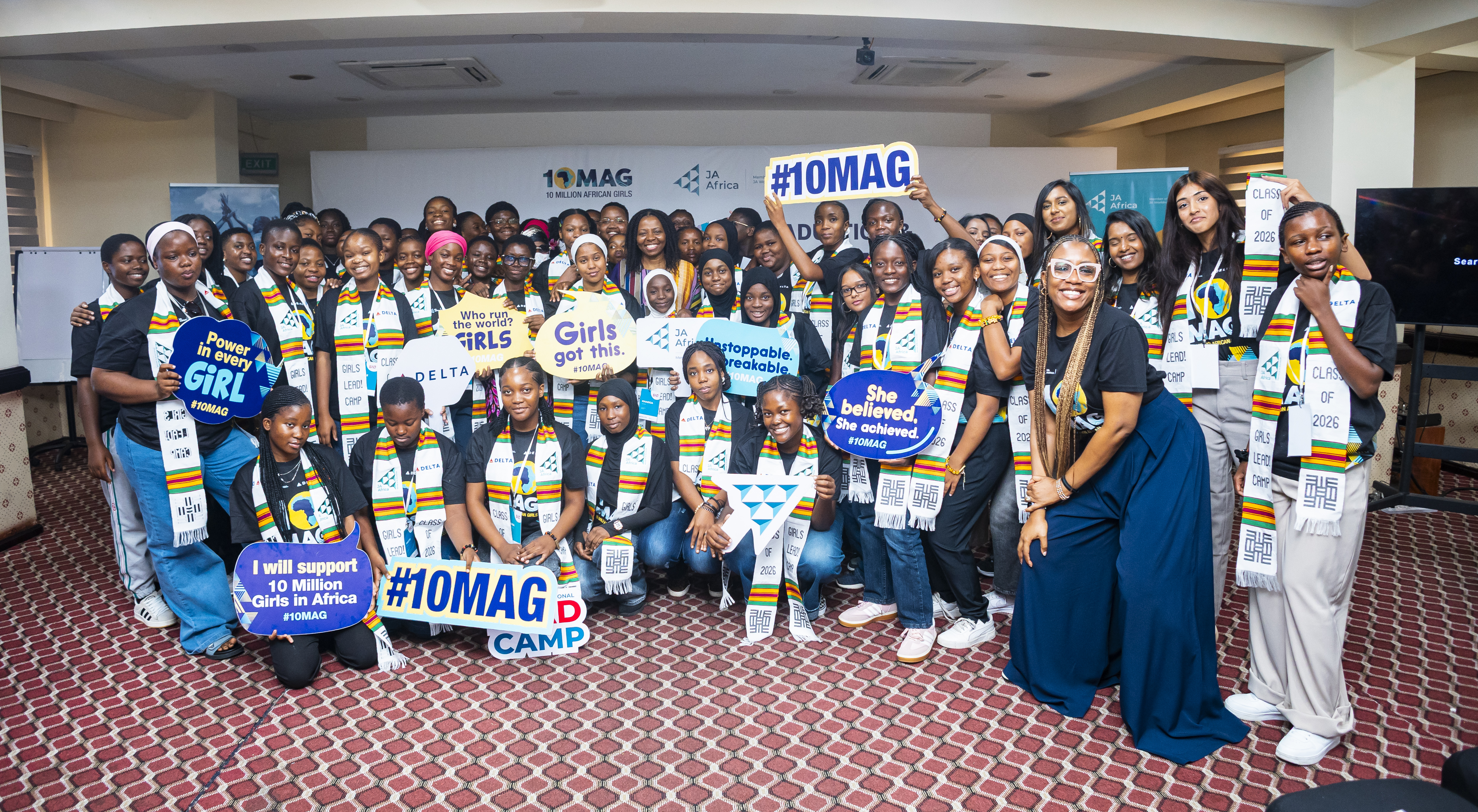
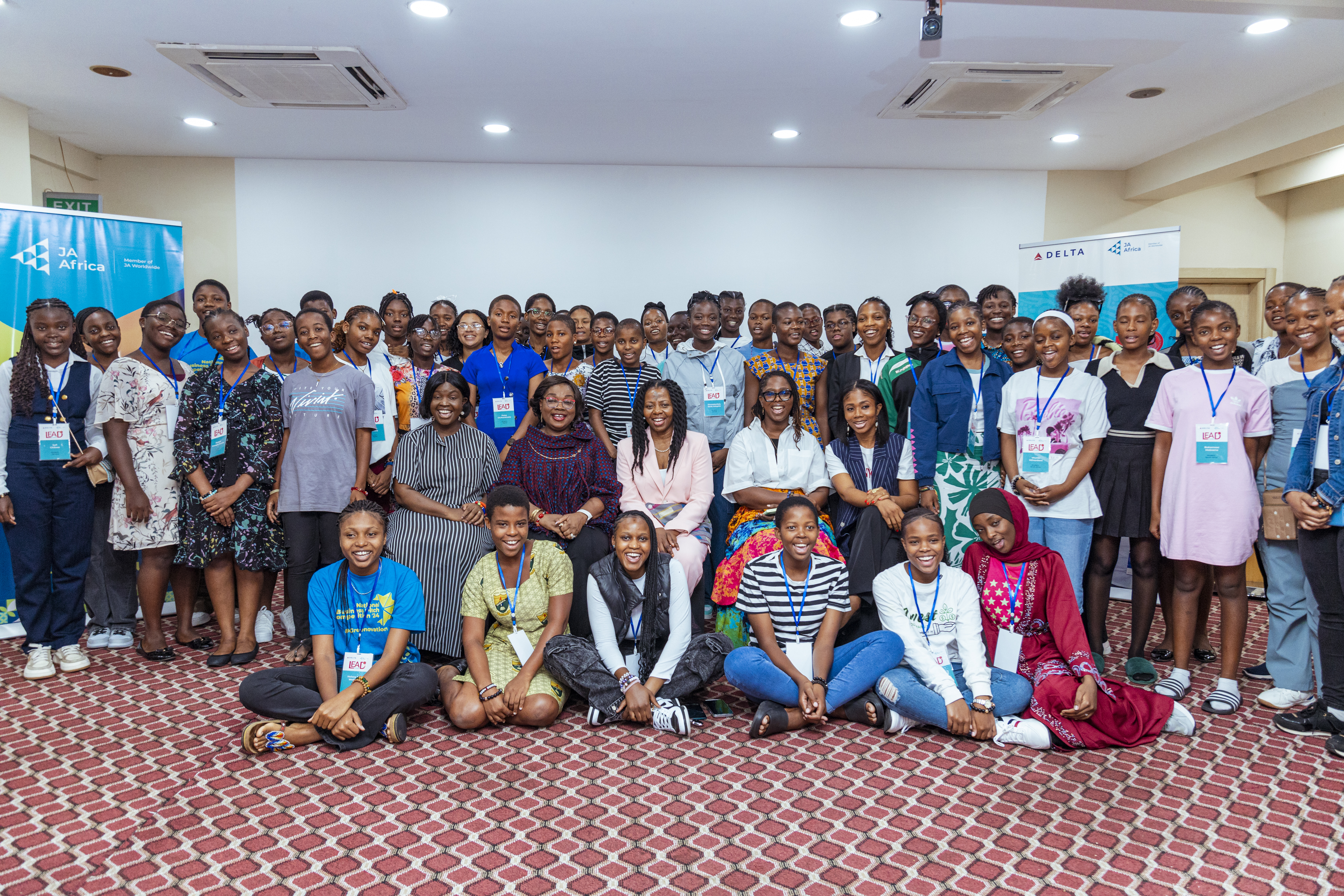
With renewed support from Delta Air Lines, LEAD Camp returned, bringing together girls from seven African countries for an immersive leadership experience. Through mentorship, confidence-building sessions, exposure visits, and peer learning, LEAD Camp continued to challenge limiting narratives and expand girls’ sense of what is possible.
March also marked the official launch of the 10 Million African Girls (10MAG) Campaign, a bold, continent-wide commitment to equip ten million girls with skills, networks, and agency. The campaign is rooted in years of programmatic learning, evidence that when girls receive early exposure to entrepreneurship, leadership, and financial literacy, outcomes change dramatically.
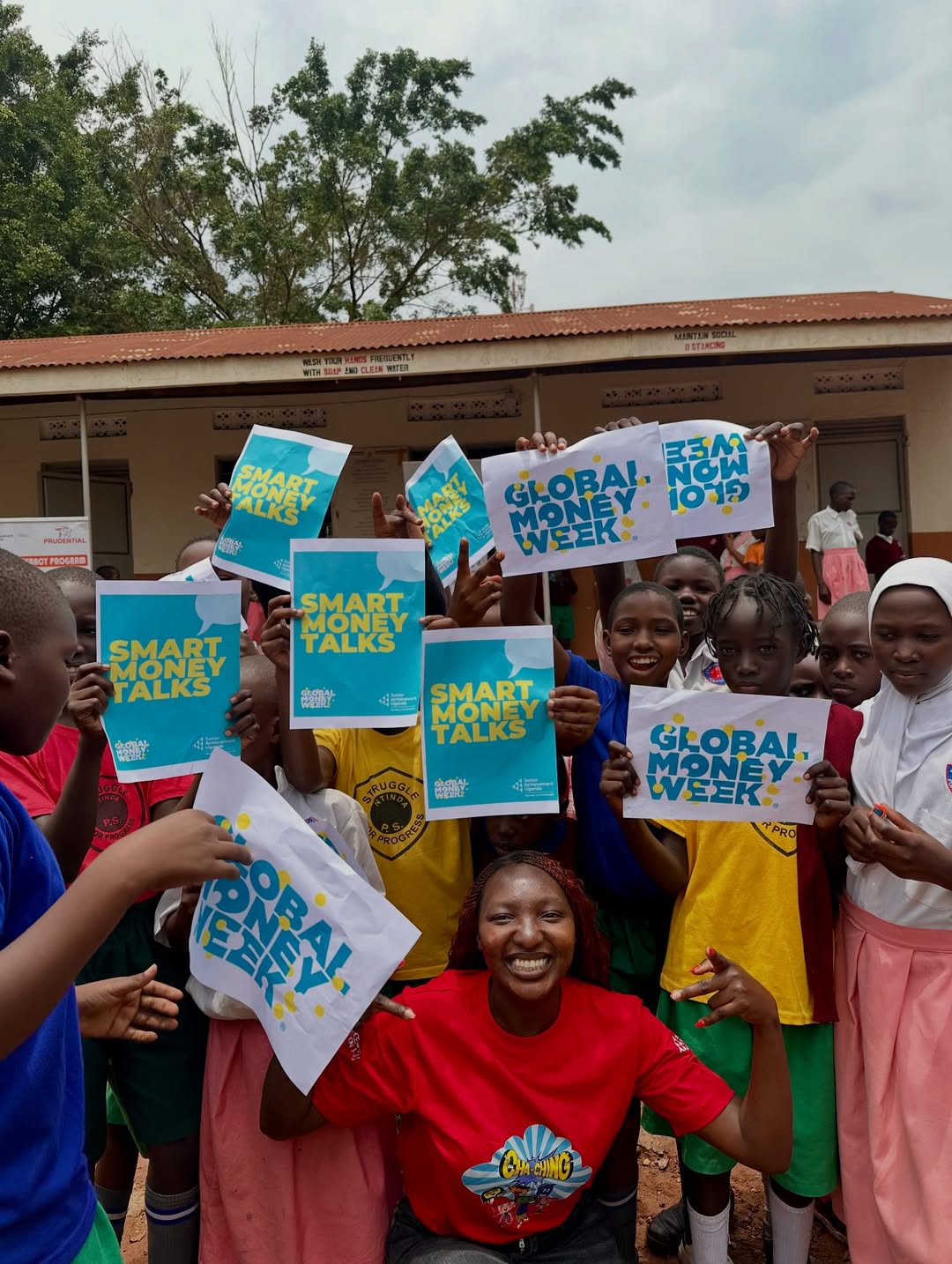
At the same time, Global Money Week and The Cha-Ching Money Show ensured that financial education reached children early, reinforcing the idea that empowerment must start long before adulthood. March amplified voices, confidence, and belief.
Day 4 – April
April shifted the focus from individual programs to systems-level change.
At the Skoll World Forum in Oxford, JA Africa engaged in global conversations about trust, collaboration, and repairing broken systems. These discussions resonated deeply with our work across Africa, where sustainable impact depends on co-creation with communities, governments, and private sector partners.
Back on the continent, insights from the JA Africa Stakeholder Convening in Mauritius were released, capturing shared commitments to strengthening youth entrepreneurship ecosystems. Governments, corporates, educators, and development partners reflected together on what it will take to prepare young people for a rapidly changing world.
April reinforced an important lesson: programs are powerful, but systems are what allow impact to endure.
Day 5 – May
May was a moment to recognise that impact is built by people.
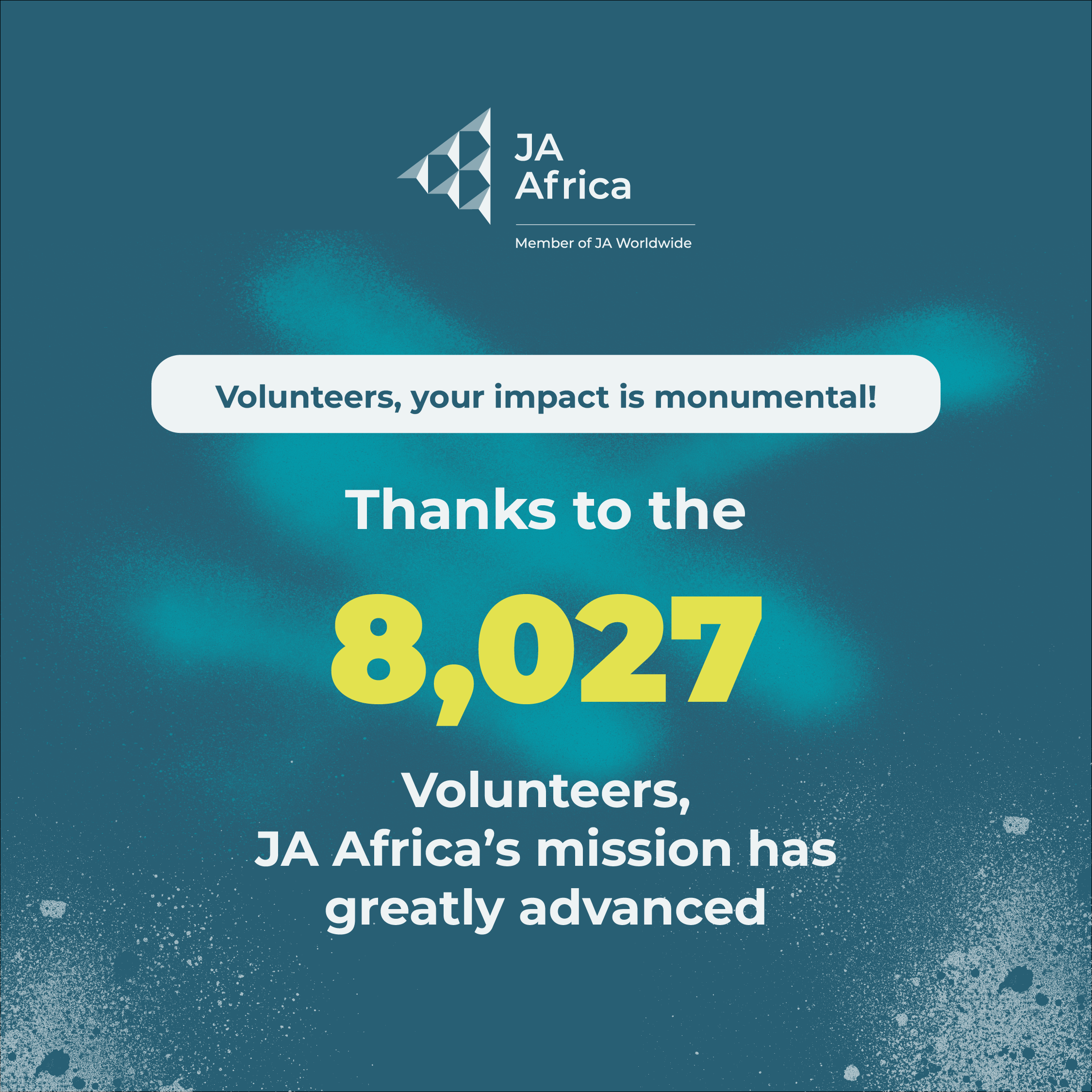
As JA Africa celebrated International Workers Day, we paused to honour the educators, volunteers, country teams, Internal team and partners who bring our mission to life daily. Their dedication, often unseen, enables programs to reach classrooms, communities, and young people across the continent.
Engagements at the Africa CEO Forum in Abidjan further strengthened private-sector collaboration, while ongoing partnerships with organisations such as ExxonMobil Foundation, Boeing, and Z Zurich Foundation deepened. These relationships are not transactional; they are built on shared ownership of outcomes.
May reminded us that sustainable change depends on trust, consistency, and people willing to show up year after year.
Day 6 – June
June was marked by recognition and renewal.
The release of Akwaaba: Oceans Between, Dreams Beyond, produced in partnership with Delta Air Lines, brought the voices and stories of LEAD Camp girls to a global audience. The documentary later received international recognition and secured global in-flight distribution, ensuring millions would encounter African girls’ stories told in their own voices.
At the Africa Energies Summit, the ExxonMobil Foundation STEM Africa Program received the Local Impact Award, affirming the importance of hands-on STEM education in preparing young people for future industries.
From London to Nairobi, June highlighted how partnerships, when rooted in purpose, can expand opportunity far beyond what any organisation could achieve alone.
Day 7 – July
July reminded us that young people everywhere carry the same drive to build, lead, and create when given the chance.
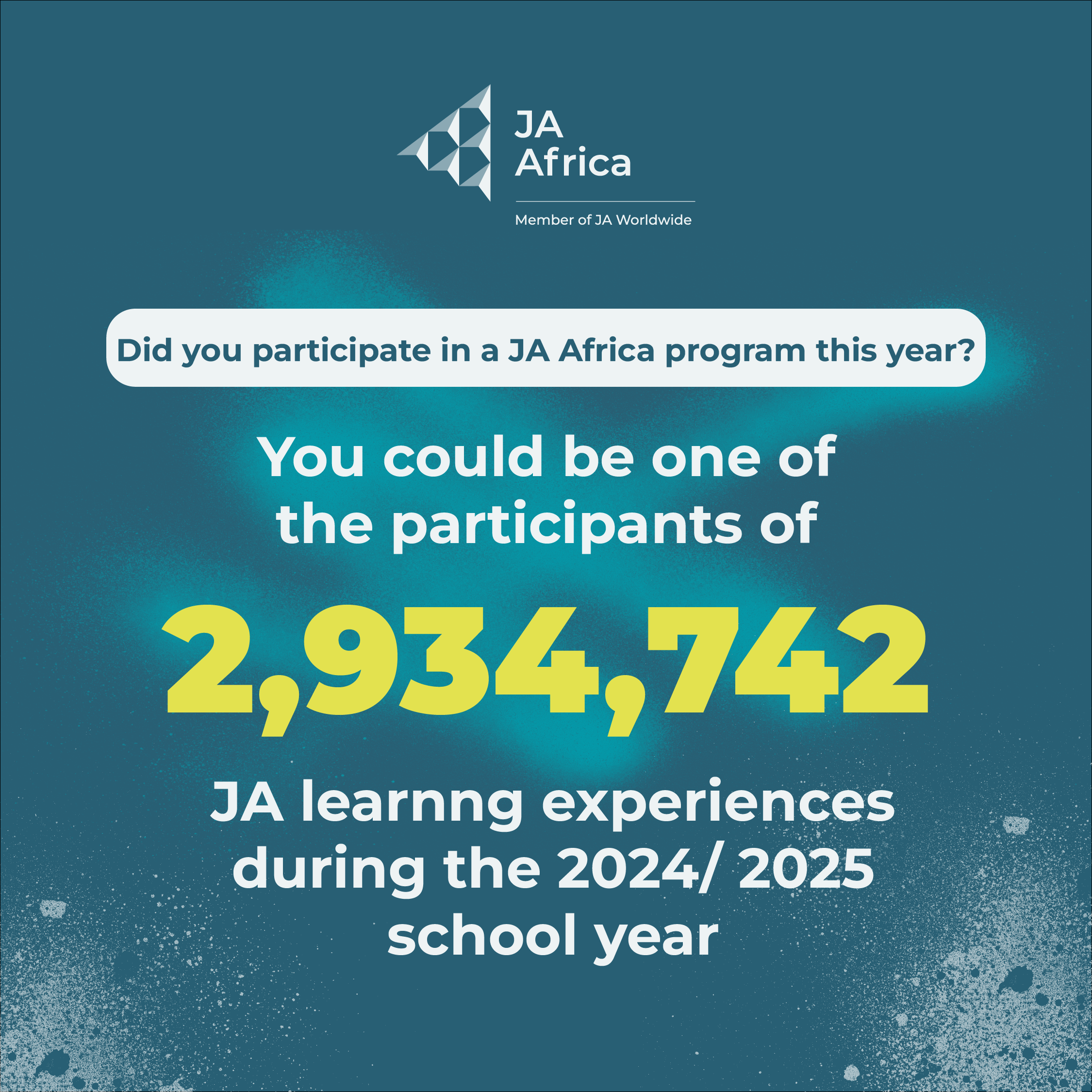
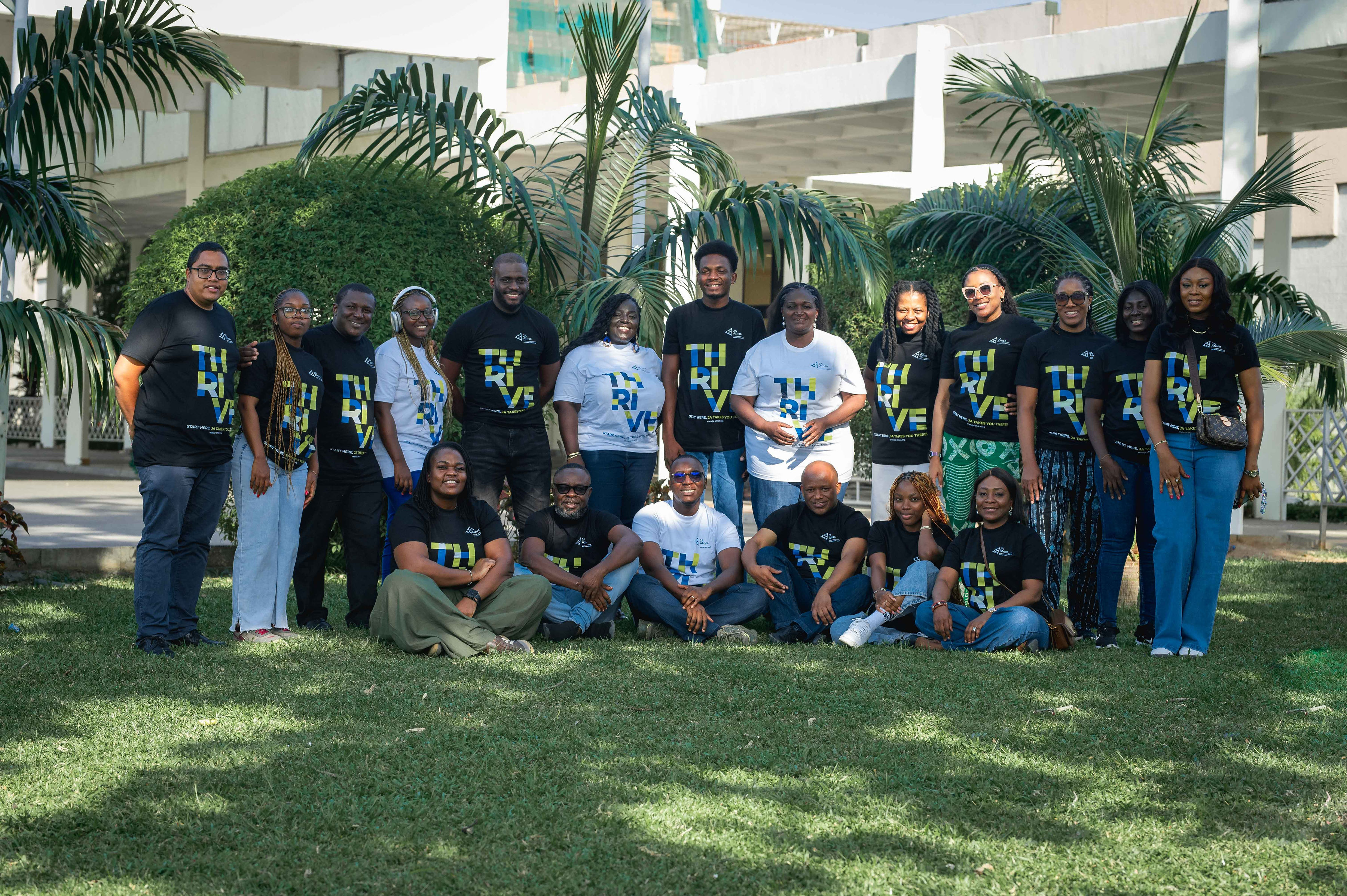
The month spanned three continents. In Athens, JA Africa joined global peers at JA Europe’s GEN-E, where student innovators from across Europe reflected the same ambition and creativity seen daily among African youth. While there, JA leaders approved THRIVE, JA Worldwide’s new global strategy to reach 30 million learning experiences annually by 2028, with JA Africa committing to reach three million youth each year.
In Cleveland, conversations at JA USA’s National Leadership Conference reinforced the lasting power of global collaboration, showing how partnerships formed decades ago continue to fuel sustainable impact today.
July closed in Aspen, where discussions with leaders from conflict-affected regions and a focused dialogue on AI and the digital divide reinforced a shared truth: young people everywhere want to be seen, equipped, and trusted with opportunity.
July was a reminder that impact travels and that youth potential is universal.
Day 8 – August
August, often considered a quiet month, became a period of consolidation and capacity-building.
JA DEEP was upgraded to support 10,000 concurrent users, with course completions surpassing 100,000. These numbers represent persistence, young people completing demanding modules, assessments, and exams despite barriers such as limited connectivity and competing responsibilities.
SET4LYF Ideathons crossed 50,000 participants, while SEP marked its third anniversary, having reached over 110,000 underserved youth across nine countries. Behind the scenes, teams strengthened governance frameworks, digital infrastructure, and operational systems, the foundation that sustains scale.
August showed that impact is not only about expansion, but about strengthening what already works.
Day 9 – September
September brought global visibility and influence.
From UNGA engagements to conversations on inclusive AI, JA Africa stood alongside alumni and partners shaping Africa’s digital future. Participation in high-level forums reinforced the importance of equitable access to technology and digital sovereignty for African youth.
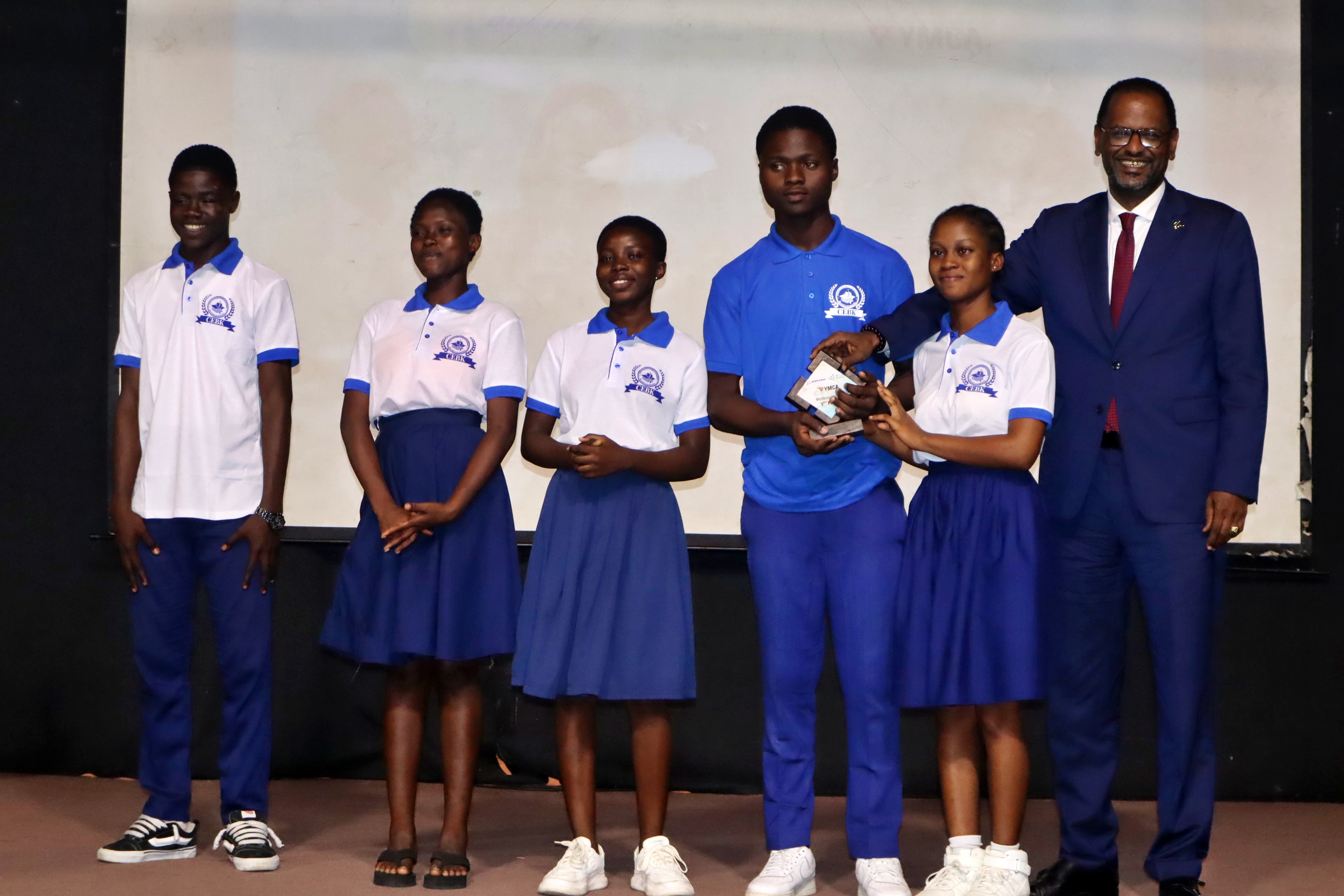
The month culminated in the ExxonMobil STEM Africa Regional Finals, where students presented solutions addressing food security, water access, and energy challenges. Scholar Sprouts, Namibia, claimed the top prize for their user-friendly aquaponics system, followed by UltraClean, Nigeria, Liceu 22 De Novembro, Angola, and JEAA EnvironFriends, Mozambique. Their confidence and technical depth underscored what is possible when STEM education is practical and contextual.
September affirmed that Africa’s youth belong at global tables, not as observers, but as contributors.
Day 10 – October:
October focused our attention on a simple but powerful truth: when girls have access to education, skills, and opportunity, entire societies move forward. Through global conversations on AI, education, and digital access, JA Africa reinforced its commitment to ensuring African girls are not left behind as the world evolves.
On the International Day of the Girl Child, we celebrated stories like Oyin Olugbile, a former JA participant and LEAD Camp alumna, whose journey from the classroom to winning the 2025 NLNG Nigeria Prize for Literature reflects what happens when talent is met with belief and support.
The month closed with global recognition for Akwaaba: Oceans Between, Dreams Beyond, which won Best Documentary Film at the Atlanta Women’s Film Festival and secured global in-flight distribution on Delta Air Lines, amplifying African girls’ voices worldwide.
October reaffirmed why investing in girls is central to shaping a future that works for Africa, and why the work must continue
Day 11 – November
November carried a powerful idea across continents: large societal challenges are solved not by copying solutions, but by distributing the ability to solve problems.
From the Mozilla Festival to the PMI Global Summit and the JA Global Leadership Conference in Rio, conversations centred on ethical AI, project management for social good, and systems thinking. At GLC, JA Africa received the JA Access Award for the Social Equity Program, recognising work that expands opportunity for marginalised youth.
Rwanda also hosted its first-ever Company of the Year competition, marking a critical step toward establishing a sustainable national ecosystem.
Day 12 – Young People Are Ready, Are We?
Day 12 of our 12 Days of Impact brings our reflection into sharp focus.
We closed the year in Abuja, Nigeria, with the 15th edition of the JA Africa Company of the Year Competition (Africa COY 2025), a powerful reminder of what becomes possible when young people are trusted with opportunity. From our staff retreat facilitated by McKinsey, to press engagements that amplified youth voices, to days filled with competition, convenings, and collaboration, the week reflected the depth and scale of our collective work.
Student teams from across the continent showcased innovation shaped by months of learning, teamwork, and purpose. Among them, SmartGenix from Nigeria, an all-girls team using drone technology and AI for agricultural monitoring, was celebrated as the Africa COY 2025 Grand Prize Winner, going on to receive scholarships and post-graduation opportunities from the Aliko Dangote Foundation and the Deputy Senate, which signal what’s possible when talent meets support.
Alongside COY, the AfrInnovate Youth Challenge reinforced a simple truth: innovation does not wait. Young Africans are already building solutions when given the tools, mentorship, and trust to do so.
This final day is, above all, about gratitude. To our partners, judges, speakers, volunteers, staff, Member Nations, and media partners, thank you for showing up, believing in Africa’s youth, and helping turn potential into progress.
As we close this chapter, we do so with full hearts and renewed conviction. The question remains with us as we look ahead to Africa COY 2026 in Cape Town:
If young people are this ready, are we ready to meet them?